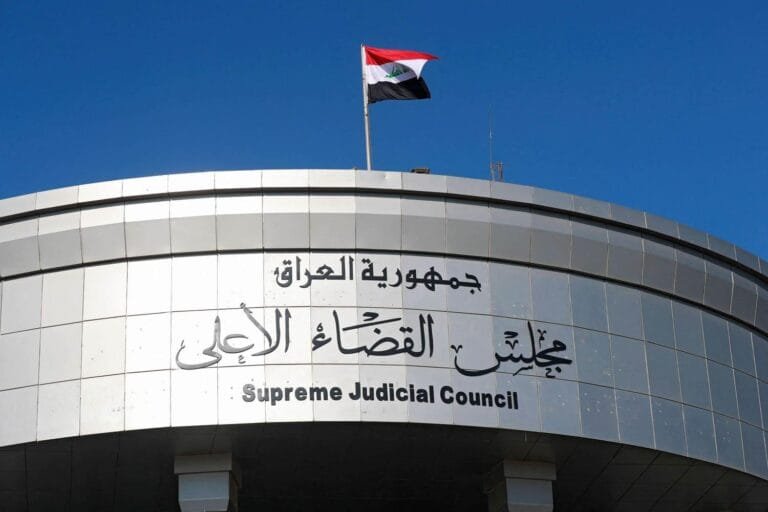
Baghdad, Iraq – The Iraqi Supreme Judicial Council announced on Sunday the seizure of substantial sums of money, amounting to approximately $20 million. In addition, 60 kilograms of pure gold were recovered. This comes as part of the extensive investigations related to the case of Adnan al-Jumaili, the detained Deputy Minister of Oil for Refining Affairs, and those implicated with him.
Details of seizures and financial confiscations
The Iraqi News Agency (INA) quoted an investigating judge from the Central Anti-Corruption Criminal Court detailing the operation. The judge confirmed that, through close coordination with the Kurdistan Regional Government, authorities successfully seized $20,340,000 in cash, along with 200 million Iraqi dinars. The seizures were not limited to cash; the search and investigation also resulted in the recovery of 60 kilograms of gold. Furthermore, seven luxury vehicles were confiscated. The judge explained that these seizures were a direct result of ongoing investigations, which included tracing the proceeds and funds resulting from the significant financial waste in projects implemented by the accused and his accomplices.
Investigations continue and those involved are being prosecuted.
The Iraqi judiciary confirmed that judicial investigations and the pursuit of the remaining alleged perpetrators in the case are proceeding at full speed. This is aimed at completing all necessary legal procedures against them and bringing them to justice. It is worth noting that Iraqi security and judicial authorities arrested Adnan al-Jumaili, the Deputy Minister of Oil for Refining Affairs, last May. The arrest was based on accusations related to corruption and the squandering of public funds, a rare move targeting such high-ranking officials in the government administration.
The context of major corruption cases in Iraq
These legal developments come at a time when the government and judiciary are making concerted efforts to pursue corruption networks and recover stolen funds. Previously, suspicions of corruption and prosecutions often focused on mid-level administrators or junior employees, rarely reaching senior positions at the top of the state hierarchy. It is worth noting that in November 2024, the Iraqi judiciary issued prison sentences against a number of former officials, businessmen, and government employees involved in the World Cup corruption case, known in the media as the “Theft of the Century.” This case involved the embezzlement of approximately $2.5 billion in tax revenue and is considered one of the largest financial corruption cases in modern Iraqi history.