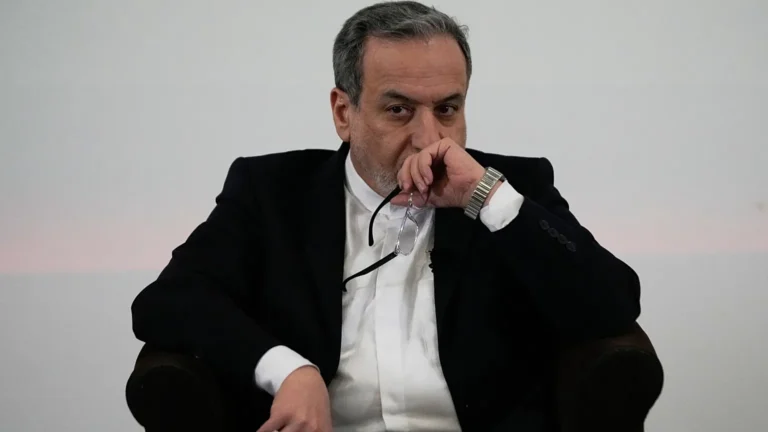
Tehran, Iran – Iranian Foreign Minister Abbas Araqchi stated that the United States could have addressed what he termed the “ambiguities” surrounding Article 5 of the memorandum of understanding on the Strait of Hormuz through diplomatic channels, but instead chose a different path that directly escalated tensions in the region. Araqchi explained, in a statement published by Iranian media, that the use of the southern route of the strait began approximately 10 days after its reopening, deeming this move “malicious.” He asserted that it would have been preferable to allow the implementation of Article 5 according to the previously agreed-upon mechanism and then assess the results after the specified timeframe had elapsed.
He added that what transpired proved to Tehran that the issue was more than just a misunderstanding, noting that the American side was seeking to establish additional shipping lanes alongside the one Tehran had exclusively designated to ensure safe passage and freedom of navigation. The Iranian Foreign Minister accused US forces of diverting commercial vessels from the route designated by Tehran and directing them toward alternative routes, considering this a blatant violation of previous understandings and a further complication of the security situation in the sensitive waterway.
Meanwhile, on the American front, President Donald Trump attended the White House Correspondents’ Dinner on Friday evening, which had been rescheduled after being postponed following a previous shooting incident. In his remarks, Trump said, “The Iranians are currently in contact with us, but I believe they are not ready to reach an agreement yet,” adding that “Iran doesn’t have many drones left,” and emphasizing that “Iran would have used nuclear weapons if it had possessed them.” He also indicated that Israeli Prime Minister Benjamin Netanyahu would be visiting the United States in a few days.
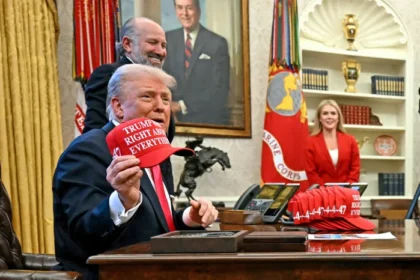
Trump told reporters in the Oval Office that he had not yet made a final decision on launching broader strikes against Iran, especially as Tehran appeared to be showing “greater seriousness” in the ongoing talks with Washington. When asked if he had made up his mind after meeting with his top advisors to discuss a large-scale military operation, he replied, “No, I haven’t made a decision yet. We’re talking to them right now. I think they’re becoming more serious every day, and perhaps the reason is obvious.”
Trump explained that Iran has only two options: either reach a serious agreement or face a “much more severe” level of military strikes. This came roughly two weeks after the resumption of US attacks and Tehran’s retaliatory strikes on regional targets. He continued, “We are fully prepared and ready to act. But we are talking to them, and we will see what those talks bring.” Trump reiterated that his red line is preventing Iran from acquiring a nuclear weapon, concluding by emphasizing that the tipping point for his final decision has not yet been determined, pending the outcome of the negotiations.