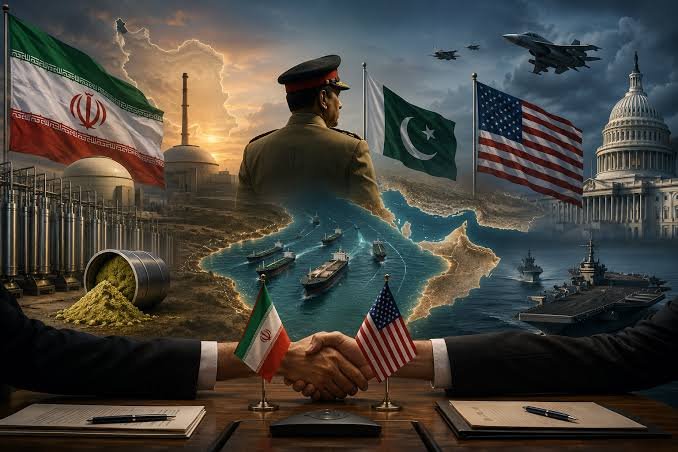
ISLAMABAD, Pakistan – In the midst of accelerating military escalation, the Associated Press revealed that there are regional diplomatic efforts led by Pakistan “around the clock.” These efforts aim to revive the ceasefire agreement and bring the United States and Iran back to the negotiating table. According to regional officials, mediators are working diligently to bring views closer. There are also efforts to avoid the region sliding into a comprehensive confrontation with uncalculated consequences.
Trump’s threats: “Next week will be very bad for Iran.”
In contrast, US President Donald Trump outlined a new phase of the conflict. In an interview with Fox News early Wednesday, he asserted that the US administration had made it clear to Tehran: “You’d better make a deal, or you’ll have nothing left.”
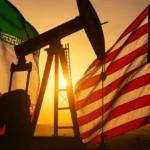
Trump unveiled a phased military strategy, explaining that he had ordered a halt to strikes on Iranian oil facilities for the time being. The aim was to avoid negatively impacting the global economy. However, he emphasized that these facilities could become targets in later stages if Iranian resistance continued. Trump threatened Tehran, saying, “Next week will be very bad for Iran. Power plants and bridges will be next unless they come to the negotiating table.”
Close monitoring and nuclear allegations
The US President stressed that military operations will continue as long as Washington deems it necessary. He pointed to the use of precision weapons capable of reaching great depths. He explained that American forces are closely monitoring the Iranian “Jabal Ax” site. He also warned that any Iranian move would face an immediate response.
In justifying the military operations, Trump claimed that Iran was only two weeks away from possessing a nuclear weapon. He asserted that the US strikes targeting nuclear sites were a strategic necessity to prevent Tehran from achieving this goal. Despite the heightened threat, Trump emphasized during the interview that US negotiators held direct talks with their Iranian counterparts on Tuesday. He indicated that diplomatic channels remained open alongside the military pressure. This leaves Tehran with two options: either reach a political settlement or face a series of strikes aimed at crippling the country’s strategic infrastructure.