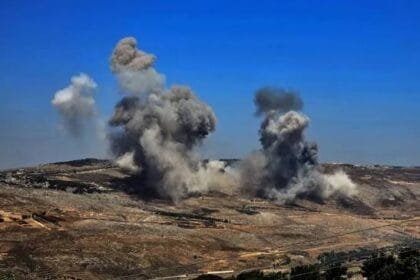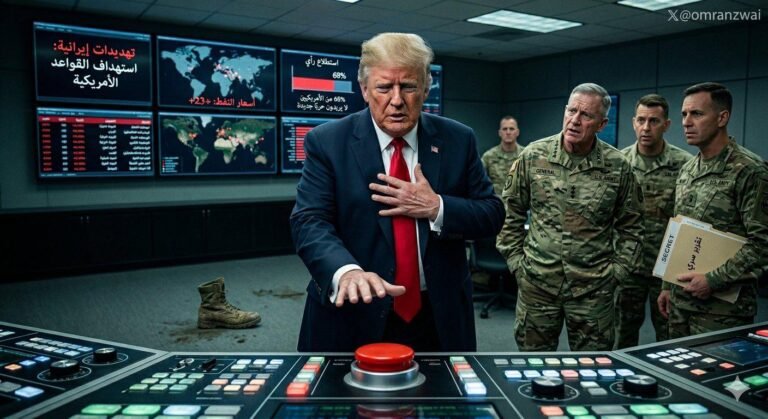
Washington, DC – The New York Times, citing senior Middle Eastern officials, reported that the United States and Israel have begun intensive and advanced preparations for a possible resumption of a joint military campaign against Iran as early as next week. These rapid developments on the ground come after diplomatic talks aimed at de-escalating tensions stalled. Consequently, the region is witnessing the most significant and dangerous military preparations since the Pakistani-brokered ceasefire agreement of early April.
Offensive plans begin next week
The report explained that officials in President Donald Trump’s administration have already prepared detailed operational plans for escalation, ranging from intensive airstrikes to targeted ground operations against Iranian nuclear facilities, although Trump has not yet made a final decision on implementation. Simultaneously, the Pentagon is preparing to reactivate Operation Epic Rage, which was suspended last month. However, it will be under a new codename.
In this context, US Defense Secretary Pete Hegseth confirmed to members of Congress that Washington has plans in place for escalation. At the same time, it has plans for de-escalation, including relocating military assets and withdrawing more than 50,000 US troops from the region, should international efforts succeed in compelling Tehran to reopen the Strait of Hormuz and resume oil exports.
The terms of the collapsed agreement and Tehran’s threats regarding 90%
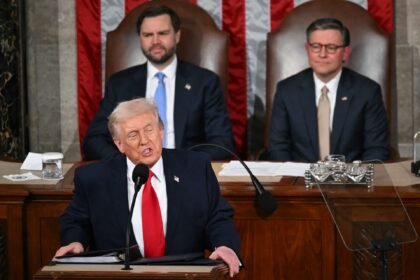
For his part, President Trump told Fox News that Tehran refuses to abide by many previous agreements, saying, “Every time they reach an agreement, they ignore it the next day as if we never even had a conversation.”
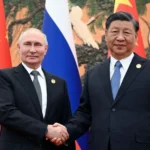
Trump had rejected the latest Iranian proposal to resolve the crisis immediately after leaving Beijing. He confirmed to reporters on Air Force One that he did not like the terms presented. He also clarified that he had discussed the matter with Chinese President Xi Jinping without asking him to pressure Tehran. Despite this, China remains a strategic partner and a major importer of Strait of Hormuz oil.
The main point of contention revolves around a clause stipulating that Iran transfer its highly enriched uranium to Washington for extraction from underground. Trump has insisted on acquiring the uranium to resolve the “public relations” issue.
He issued a stark warning, giving Tehran’s leaders a choice between accepting the agreement or facing “annihilation.” He also described them as insane if they refused.
In response, Iran’s reaction was decisive and direct. Iranian National Security Council spokesman Ebrahim Rezaei threatened that his country might immediately increase uranium enrichment to 90% (the level required for producing a nuclear weapon) should the United States and Israel resume joint attacks. This places the entire region on the brink of a conflagration that could erupt at any moment.