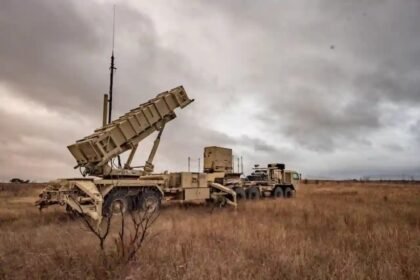
Washington, DC – Oil prices surged in global markets on Wednesday, driven by renewed hostilities between the United States and Iran. The tit-for-tat strikes targeted vital energy infrastructure. The sharp rise in oil prices followed US President Donald Trump’s decision to reimpose a comprehensive naval blockade on all Iranian ports. This coincided with Tehran launching retaliatory strikes targeting US infrastructure in the region, according to Reuters.
Price jump
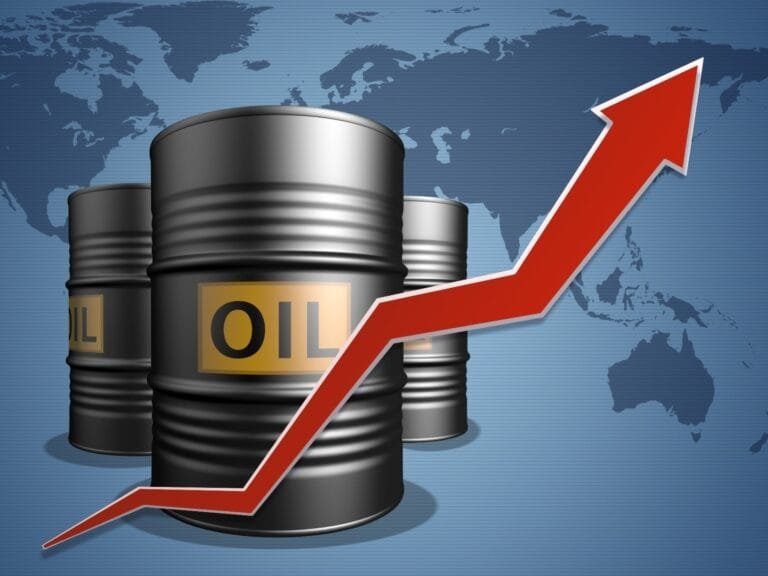
Crude oil prices reflected concerns about disruptions to global supply chains, with Brent crude rising $1.46, or 1.72%, to $86.19 a barrel by 00:29 GMT. Similarly, West Texas Intermediate crude climbed $1.11, or 1.4%, to $80.40 a barrel.
This rapid price surge is a direct response to recent developments on the ground, particularly following White House meetings in the Situation Room to discuss expanding military operations. Markets fear that a naval blockade and retaliatory strikes could lead to a sharp decline in oil flows through the Strait of Hormuz, a vital waterway for global energy trade.
Market Outlook: Possible Scenarios
In the context of his analysis of the scene, Tim Waterer, chief market analyst at KCM Trade, explained that the continuation of tensions has serious repercussions on energy prices. Waterer pointed out that the possibility of oil prices returning to touch the $100 per barrel barrier in the near term remains “reasonable” if the hostilities intensify. Specifically, if the damage affects the energy infrastructure in the Arabian Gulf region.
In contrast, the analyst presented a more optimistic scenario, suggesting that Brent crude prices could stabilize between $75 and $80 per barrel, provided that ongoing diplomatic efforts succeed in containing the crisis and reopening the Strait of Hormuz. Attention remains focused on military and political developments. Markets are also closely monitoring the outcomes of the security meetings in Washington and Tehran’s response to pressure, amidst a climate of anticipation and caution regarding the sustainability of these price fluctuations in the global energy market.