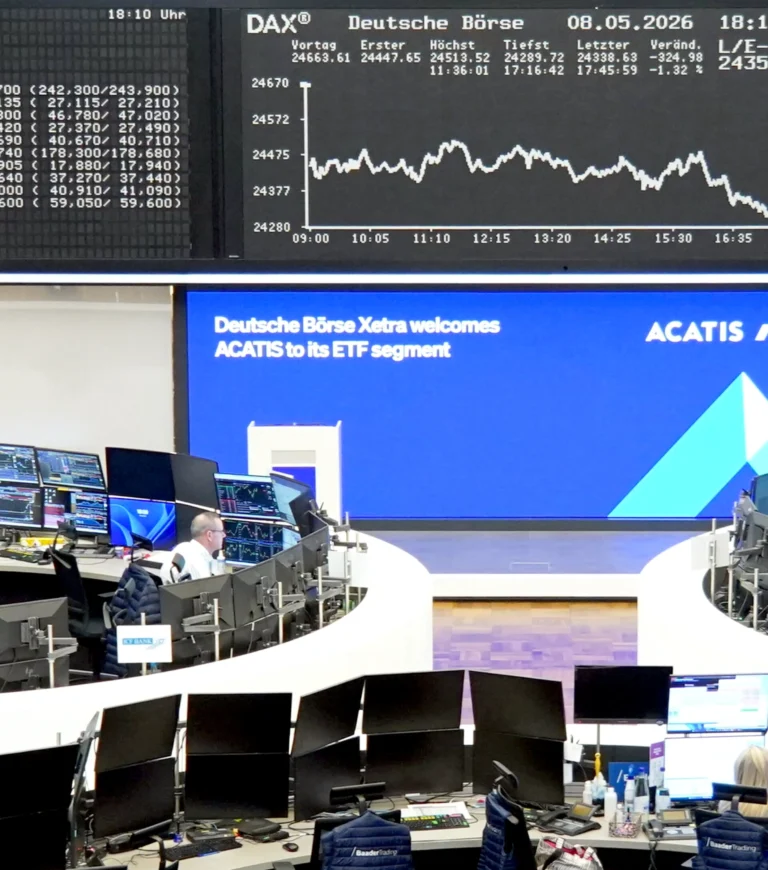
Brussels, Belgium – European stocks suffered their biggest daily losses since mid-March after US President Donald Trump’s comments on the Middle East triggered a new wave of anxiety in global markets.
This prompted investors to sell off stocks amid growing fears of rising oil prices and renewed inflationary pressures.
The pan-European STOXX 600 index fell 1.8% to close at 634.91 points,
its lowest level in a week, as investors remained cautious following heightened geopolitical concerns.
Escalating tensions are putting pressure on markets
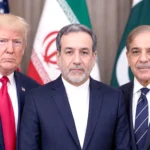
The sell-off followed comments by Trump expressing skepticism about the prospects for de-escalation in the Middle East.
This heightened concerns about the potential for wider tensions and their impact on global energy markets.
These concerns are particularly acute given the continued sensitivity of markets to any developments related to oil supplies.
Traders believe that escalating geopolitical risks could lead to higher energy costs.
This, in turn, could reignite inflationary pressures and influence monetary policy expectations in the coming period.
The previous wave of optimism dissipated
European markets had been experiencing a period of optimism in recent days, fueled by declining inflation rates.
This optimism stemmed from investors’ belief that central banks might not need to raise interest rates further.
However, recent developments have significantly dampened this optimism.
Analysts indicated that renewed political and security tensions have prompted investors to reassess risks.
This has been quickly reflected in the performance of stock indices across various European markets.
Concerns about continued volatility
Observers expect European markets to remain volatile in the coming period
due to ongoing uncertainty surrounding the situation in the Middle East.
Investors are also awaiting any new indicators related to energy prices,
inflation trends, and monetary policies in major economies.
Experts believe that any further escalation could increase pressure on global financial markets.
Meanwhile, investors continue to closely monitor political and economic developments to inform their investment decisions.