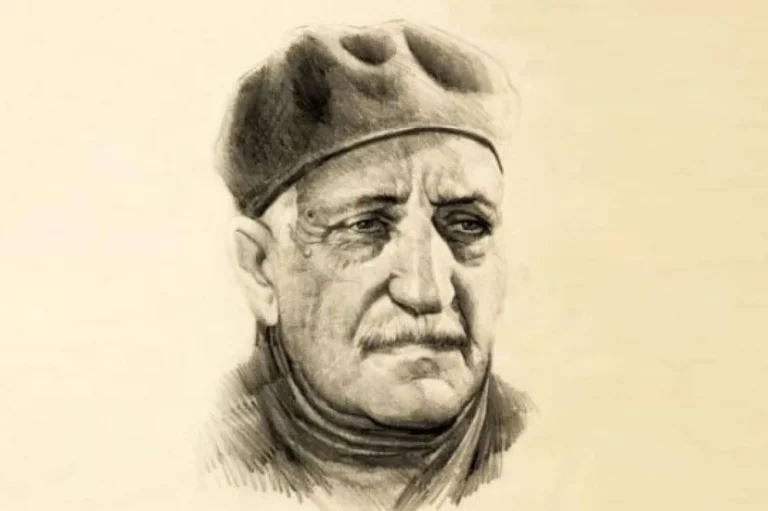
Cairo – In a rare historical testimony, the great writer and thinker Abbas Mahmoud al-Aqqad, known for rarely praising his contemporaries, paused to acknowledge the exceptional intellectual contribution of the Dean of Arabic Literature, Dr. Taha Hussein. Al-Aqqad focused on the pivotal role Hussein played in reopening the doors of Arab thought to human heritage, shedding light specifically on his efforts in transmitting and analyzing Greek heritage.
A Cultural Bridge Between Arab and Greek Civilizations
Al-Aqqad considered that Taha Hussein skillfully managed to construct a solid bridge between Arabic and Greek cultures. This bridge was built upon his deep academic studies, precise translations, and sober analyses of Greek literature and philosophy. This provided the Arab reader with an exceptional opportunity to explore enlightening aspects of classical human thought through conscious Arab eyes that realized the importance of cultural interaction.
Reviving Rational Inquiry Away from Imitation
The author of “Al-Abqariyyat” explained that this bridge went beyond the mere literal transmission of texts or superficial translation of works. It represented a serious attempt to revive the spirit of rational inquiry and scientific criticism inherent in Greek civilization, which later found its way into the Arab Islamic civilization during its golden ages. Al-Aqqad emphasized that Taha Hussein’s project was not a call to imitate the West or clone European culture. Rather, it stemmed from a deep belief in the ability of Arabic culture to interact vitally with other civilizations and absorb their achievements without compromising its unique identity and distinctiveness.
The Sorbonne and Founding the Project of Cognitive Openness
Taha Hussein drew inspiration for his enlightening vision from his studies at the Sorbonne University in France, where he was saturated with modern critical methodologies. The Dean of Arabic Literature returned to Egypt carrying the banner of a pioneering intellectual project that strongly called for openness to comprehensive human knowledge. This approach was clearly evident in his prominent works such as “On Pre-Islamic Poetry” and “The Future of Culture in Egypt,” alongside his relentless efforts to present Greek literature and thought to the Arab reader in a solid critical and scientific manner.
Intersecting Visions Despite Intellectual Differences
Despite the intellectual differences and literary battles that brought Al-Aqqad and Taha Hussein together on various critical issues, Al-Aqqad did not hesitate to recognize the prestigious cultural status of the Dean of Arabic Literature. He acknowledged that Taha Hussein’s project constituted a fundamental tributary in expanding the horizons of Arabic culture and linking it to the wellsprings of global thought, thus remaining an immortal name and one of the most prominent symbols of the intellectual renaissance in the twentieth century.