Oslo – The name of the Vikings has been associated in historical memory with naval raids and combat, but modern historical studies reveal a different aspect of their relationship with the Islamic world. This relationship gradually shifted from limited confrontations to commercial cooperation and cultural exchange, becoming one of the most prominent examples of communication between two civilizations separated by thousands of kilometers.
Transcontinental Trade Routes and Archaeological Discoveries
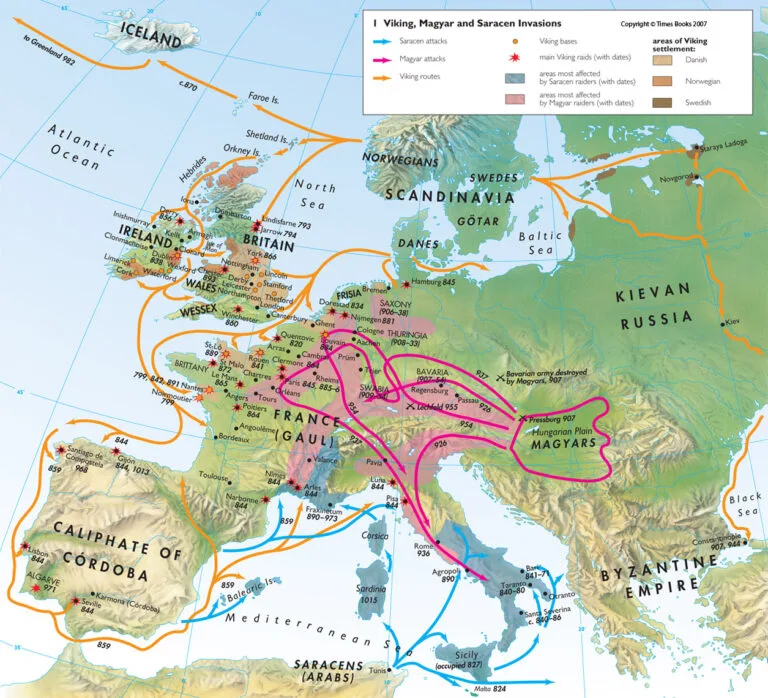
During the period between the eighth and eleventh centuries CE, Viking activity was not limited to raiding European coasts. Their journeys extended across Russian rivers, reaching the Black Sea and the Caspian Sea, where they established vital trade routes connecting Northern Europe with the Islamic world. Archaeological discoveries have unearthed thousands of Islamic silver coins, especially Abbasid dirhams, in numerous sites across Denmark, Sweden, and Norway. This confirms the immense volume of trade activity between the two parties, as these coins were used in buying and selling, serving as material evidence of the flourishing economic relations during that era.
Exchange of Goods and the Transfer of Knowledge and Technology
The commercial movement between the two sides included the exchange of various goods. The Vikings transported fur, honey, amber, timber, and iron southwards, in exchange for silk, spices, jewelry, fine glass, textiles, and precious metals coming from the metropolises of the Islamic world. The impact of this relationship did not stop at the material boundaries of trade but extended to encompass profound cultural and civilizational influences. The Vikings became acquainted with organized market systems, coin minting methods, and certain advanced navigational techniques, transferring to Northern Europe products and technologies that flourished in Islamic cities.
Ibn Fadlan and Islamic Testimonies Documenting Viking Life
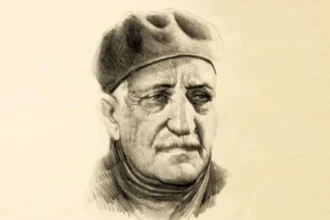
In addition to commercial exchange, a number of Muslim travelers and geographers recorded precise and detailed descriptions of the Vikings. Perhaps the most famous of these travelers is Ahmad ibn Fadlan, who met groups of them on the banks of the Volga River in the tenth century CE. Ibn Fadlan documented his meticulous observations of their daily lives, customs, and social rituals, making his writings and manuscripts some of the most important and reliable historical sources detailing the lifestyle of these Northern peoples.
Economics as a Soft Power for Cultural Rapprochement
Historians believe that the relations between the Vikings and the Islamic world represent a unique model of how economic interests can transform into an effective means of cultural rapprochement. Trade contributed to building solid bridges of knowledge and communication, far removed from the images of conflict and wars associated with the beginnings of that historical phase. Evidence confirms that the exchange between the two civilizations went beyond goods to include the transfer of ideas and expertise, which contributed to shaping an important part of Northern European history and highlighted the pivotal role played by the Islamic world in leading global trade during the Middle Ages.