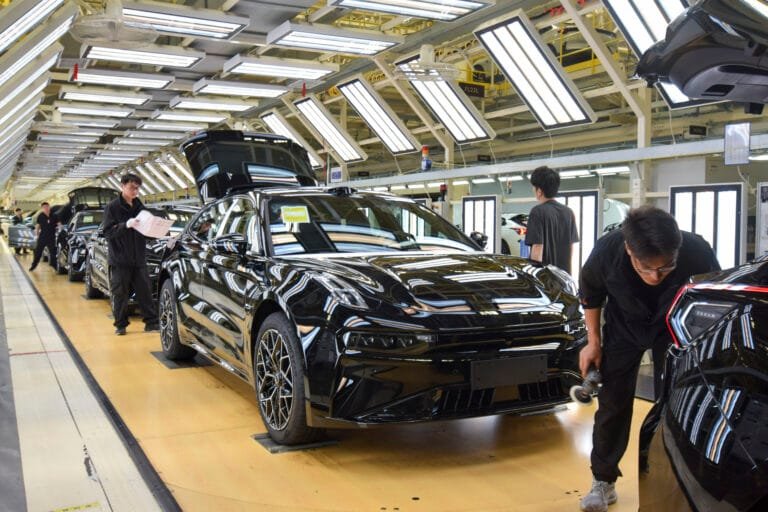
Beijing – Amidst growing global demand for Chinese vehicles, particularly electric and hybrid models, Beijing is facing an unprecedented logistical challenge: a severe shortage of vehicle-carrying vessels. This reality has driven automotive giants in China to move rapidly to redraw the map of their vehicle exports, shifting away from total reliance on commercial shipping services that have become a bottleneck to their expansionist ambitions.
Securing Supply Chains Through Investment in Private Fleets
Major Chinese companies are racing against time to secure maritime transport that ensures their products reach international markets without delay. The solution is no longer limited to signing long-term contracts with shipping lines or leasing additional vessels; companies are now turning toward a deeper strategy of directly investing in owning specialized car carriers. This strategic move aims to reduce dependency on international shipping companies and ensure seamless logistical operations, protecting Chinese exports from fluctuations in shipping costs and available vessel capacity.
Logistical Challenges Facing Accelerated Growth Rates
This move comes at a time when Chinese car exports are witnessing spectacular growth rates, supported by successful penetration of new markets worldwide. However, this growth has collided with the limited availability of vehicle-carrying vessels, forcing manufacturers to comprehensively re-evaluate their transport and distribution plans. The sharp rise in maritime shipping costs has left manufacturers with no choice but to innovate independent logistical solutions that ensure supply continuity amidst intense competition where the battle for market share is escalating.
Maritime Transport as a Strategic Necessity for Global Competitiveness
Industry experts believe that possessing an integrated maritime transport system has become a strategic necessity, as important as the quality of the car itself. The ability to control supply chains grants Chinese vehicles an added competitive advantage, enabling manufacturers to mitigate shipping-related risks, regulate delivery schedules, and lower overall costs. As China continues to bolster its logistical capabilities and expand its fleets, it is expected to maintain its position as a key player and one of the world’s largest car exporters, thereby overcoming the logistical bottleneck threatening global market stability.