
Baghdad – In a qualitative development reflecting mounting pressure to reset the financial system, the Iraqi government has agreed to urgent US demands to take strict and decisive measures to halt the flow of hard currency (dollars) to Iranian-backed armed militias. This move, reported by international media, comes as part of joint efforts to enhance radical oversight of the Iraqi financial system and ensure it is not exploited as a platform for funding the activities of armed groups that threaten regional stability.
Tightened Financial Measures to Ensure Compliance
Under this agreement, Baghdad has pledged to implement a series of strict executive measures to tighten oversight of financial transfers and banking transactions. These controls aim to prevent the exploitation of the Iraqi banking system to transfer dollars to entities subject to international sanctions, or parties suspected of organic links to Iranian-backed militias. This step is a practical translation of ongoing US pressure on the Iraqi government, aimed at enhancing full compliance with imposed sanctions and preventing the use of Iraqi territory as a vital channel to circumvent international financial restrictions.
Context of Tension and Constricting Funding
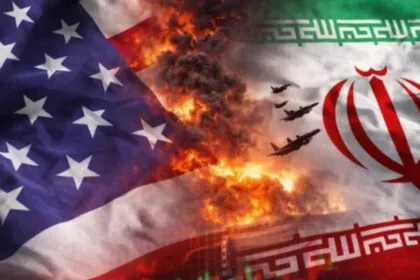
This agreement comes at a highly sensitive time, coinciding with a new and intensive escalation in relations between Washington and Tehran against the backdrop of rapidly evolving security developments in the Gulf region. The US administration is adopting a strategy aimed at constricting the funding sources utilized by armed groups allied with Tehran, considering the tightening of control over dollar movement inside Iraq as a substantial and effective tool in the strategy to curb the influence and funding of these groups.
Strategic Repercussions for the Iraqi Banking Sector
Observers and economic analysts believe that the successful implementation of these measures requires broad institutional cooperation between the Central Bank of Iraq, regulatory bodies, and security agencies to ensure the effectiveness of the new controls without causing a collapse in local market liquidity. Despite internal political challenges, this step may contribute to enhancing the confidence of international financial institutions in the Iraqi banking system in the long run. Baghdad now faces a difficult test of balancing its strategic relations with the United States and the nature of its ties with Iran, while persistently seeking to maintain the cohesion and stability of the country’s economy and public finances.