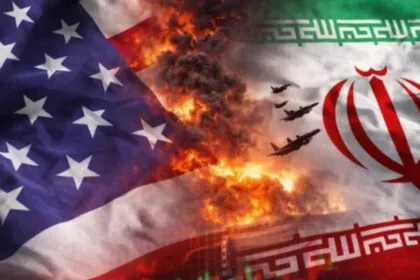
London – In a move reflecting deep concern over rapidly developing security events, insurance companies specializing in war risk coverage have advised shipping firms to temporarily suspend voyages through the Strait of Hormuz. This action comes amid escalating military tensions between the United States and Iran, following attacks targeting oil tankers in the vital waterway, sparking widespread international concerns regarding the safety of international navigation and the sustainability of global energy supplies.
Extensive Review of Insurance Coverage Policies
Informed sources in the insurance sector reported that major companies have begun a comprehensive review of insurance policy terms for vessels transiting the strait. In this context, several firms have recommended that their clients temporarily delay sailing until the security situation becomes clearer, especially given the rising probability of a wider military confrontation. These recommendations follow attacks on three oil tankers, coinciding with US decisions to tighten restrictions on Iranian oil exports and the execution of military strikes against targets inside Iran, reviving fears of a comprehensive confrontation that could paralyze one of the world’s most critical maritime corridors.
Economic Repercussions and Pressures on Energy Markets
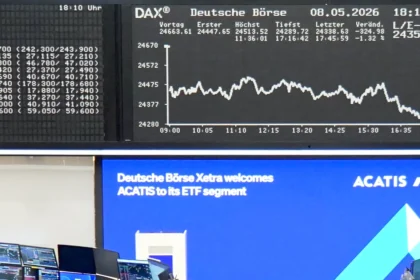
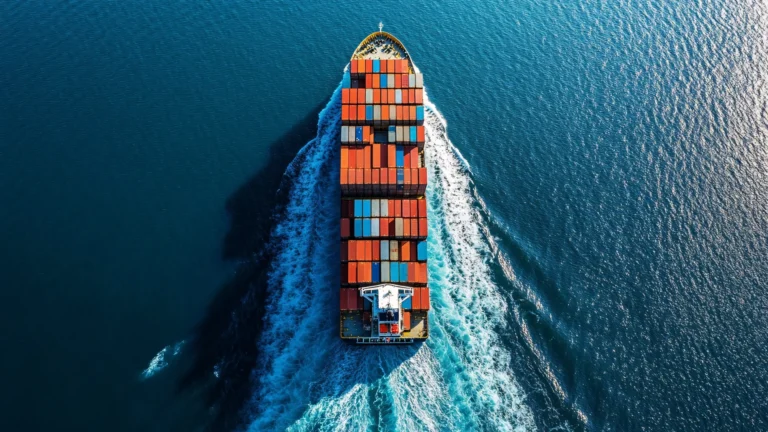
The Strait of Hormuz is the most vital artery for global oil and gas trade, with Gulf nations relying on this passage to export the bulk of their production. Insurance experts affirmed that the high level of risk in the region will undoubtedly lead to a significant increase in insurance premiums for ships, along with additional restrictions on insurance coverage for voyages heading to the region. Observers believe that any continued disruption to maritime traffic will not only affect shipping companies, which may be forced to re-evaluate their routes, but will also have a direct and immediate impact on global oil prices and supply chain stability.
International Anticipation and Caution
Amid rising anxiety, shipping and insurance companies continue to monitor the security situation in coordination with relevant international bodies. International calls are mounting to maintain maritime security and ensure the uninterrupted flow of global trade. As markets await political and military developments in the coming days, eyes remain fixed on the Strait of Hormuz, which currently represents the hottest and most dangerous point on the global economic map.