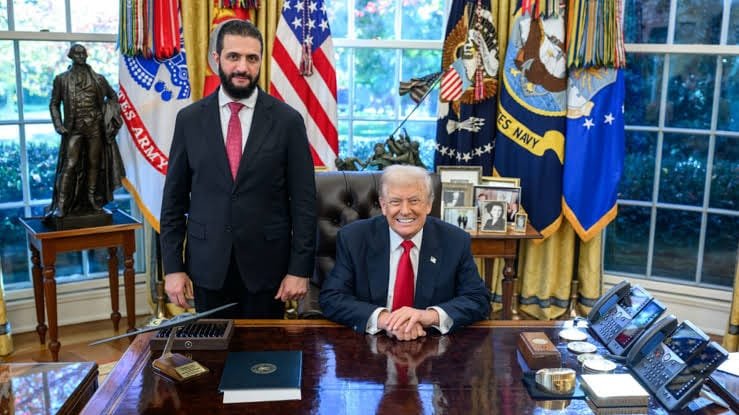
Ankara, Turkey – The upcoming meeting between US President Donald Trump and Syrian President Ahmed al-Sharaa in Turkey has garnered significant attention in political and diplomatic circles. This comes amidst anticipation of the talks, which are expected to address a number of regional issues. These include the future of the situation in Syria, border security, and the role of Hezbollah. Additionally, there is the issue of Iranian influence in the Middle East. The meeting takes place at a time of rapid changes in the regional landscape. Simultaneously, US efforts to reshape the regional balance of power continue. In parallel, the new Syrian administration is seeking to enhance its engagement with the international community and is also focused on rebuilding its relationships with regional and international powers.
Hezbollah is on the negotiating table
Political indicators suggest that the Hezbollah file is among the most prominent issues expected to be discussed during the meeting. This comes amid Washington’s interest in curbing the influence of armed groups linked to Iran, particularly after the developments witnessed in Syria in recent months. Analysts believe that the United States seeks to leverage its rapprochement with Damascus to bolster efforts to control the Syrian-Lebanese border. It also aims to curtail illicit supply routes, which would impact Hezbollah’s logistical capabilities. However, there are no official indications yet of an agreement aimed at engaging in direct military confrontation with the party.
Political messages that go beyond Syria
The meeting carries messages that extend beyond the Syrian issue, reflecting a US trend toward reshaping alliances in the Middle East. This comes amid declining Iranian influence in some arenas. Conversely, Washington seeks to build new partnerships with governments that declare their willingness to cooperate on regional security and counterterrorism issues. The meeting also presents an opportunity for the new Syrian leadership to present its vision for reconstruction and the lifting of sanctions. Furthermore, Syria aims to restore its relations with the international community, emphasizing that stability in Syria is a fundamental pillar for the stability of the entire region.
Reading the scene
Regional experts believe that any US-Syrian understandings that develop in the coming period could indirectly affect Hezbollah’s activities within Syria and Lebanon. This would be achieved through tighter border controls and enhanced security coordination, thus contributing to a reduction in the areas of influence the party has benefited from in recent years. Conversely, the Syrian leadership appears keen to avoid any direct confrontation with Hezbollah or Iran. It is also focused on its domestic priorities related to rebuilding state institutions and achieving economic and security stability.
What comes after the Trump-Sharaa meeting?
Observers believe the meeting’s outcome will become clearer in the coming period through official positions and practical steps taken by the parties involved. However, it is certain that the meeting represents a significant milestone in US-Syrian relations and may pave the way for a new phase of regional understandings. This phase could impact the future of Hezbollah and the balance of power in the Middle East.