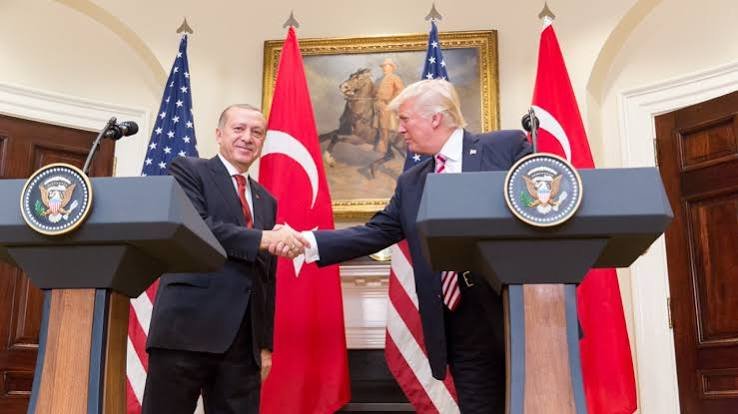
Washington, DC – US-Turkish relations are entering a new strategic phase as Ankara prepares to host the NATO summit on July 7 and 8. This summit will see the unprecedented attendance of US President Donald Trump, at the personal invitation of his Turkish counterpart, Recep Tayyip Erdoğan. This move is seen as a testament to the strength of the two leaders’ diplomacy and opens the door to crucial announcements on joint defense issues, particularly the F-35 fighter jet dispute and the F-110 jet engine deal.
“Out of respect for Erdogan”… Trump in Ankara
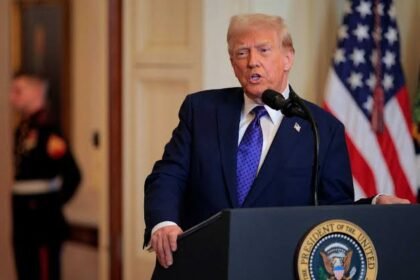
In statements that reflected the depth of the personal relationship between the two presidents, Trump confirmed that his decision to attend the summit came at a direct request from Erdogan. Trump said: “I wouldn’t go for most people, but he called me and asked me to participate, and I will go out of respect for him.” This presence closes the door to speculation about the possibility of Washington’s absence from the summit. This absence would have threatened to cause “confusion” within the corridors of the alliance at a time when Trump seeks to reduce the American role in Europe.
A “fighter jets and engines” deal is on the table.
Military equipment is at the top of the agenda for the bilateral meetings, with Trump hinting at the possibility of offering Erdogan a “gift” during his visit. When asked in Washington about the F-35 fighter jet deal and F-110 engines, Trump replied, “I think so… I might do something that will make him very happy.”
Turkey is aggressively pursuing F-110 engines to power its domestically produced Kaan fighter jet. Meanwhile, the US State Department is planning to circumvent congressional objections to a deal worth over $700 million.
In contrast, the F-35 program remains complicated. Washington continues to insist on a resolution to the Russian S-400 missile system crisis, which led to Ankara’s exclusion from the program in 2019. This comes amid ongoing opposition from the Senate Foreign Relations Committee.
Signs of rapid improvement
The signs of rapprochement extend beyond defense cooperation to include significant political and judicial developments, such as the US Department of Justice dropping its case against the Turkish bank Halkbank. The appointment of Tom Barrack as the new US ambassador to Ankara is also seen by observers as a political message signaling the beginning of a new era. Furthermore, coordination between the two sides has intensified on complex regional issues, such as the situations in Syria and Gaza. Erdogan recently affirmed that “telephone diplomacy” between him and Trump has become a cornerstone for overcoming obstacles, describing the current phase as “the beginning of a new era in relations.”
Challenges and future prospects
Despite the positive atmosphere, internal obstacles remain in Washington. Democratic Representative Gregory Meeks criticized the State Department for bypassing congressional objections, demanding clarification on the implications of arms deals for NATO security. Nevertheless, both sides are banking on overcoming these constraints at the upcoming summit. Therefore, the Ankara meeting is not merely a security summit; it is a historic juncture that could reshape the balance of power within the Western alliance.