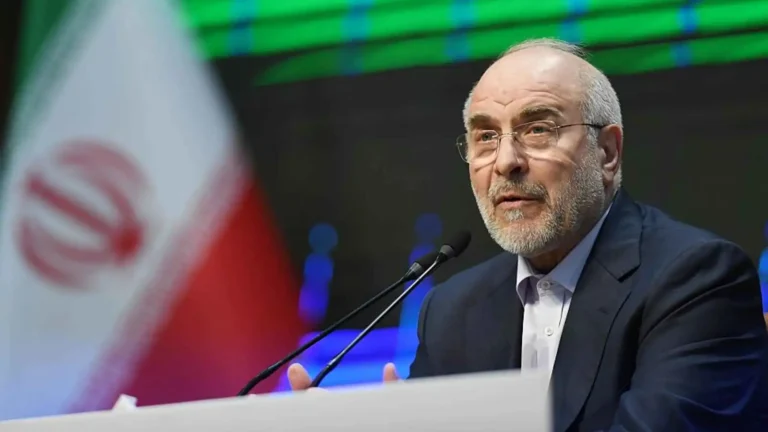
Tehran, Iran – In a move reflecting the Iranian legislature’s desire to maintain political continuity amidst highly complex regional and international circumstances, the Iranian parliament voted on Monday to re-elect Mohammad Bagher Ghalibaf as speaker. This took place during the third round of elections for the presiding board of the twelfth parliamentary term.
Renewed confidence by an overwhelming majority
The election results showed a strong showing for Qalibaf, a pivotal figure in the Iranian regime, who garnered 235 out of 276 votes cast in the direct election held this morning.
This marks the third consecutive time Qalibaf has been elected Speaker of Parliament. This solidifies his political standing as one of the regime’s most prominent pillars, particularly given his sensitive responsibilities related to the country’s foreign and domestic policy.
This election is in accordance with the Shura Council’s internal regulations, which stipulate that the members of the Presidential Body—comprising the Speaker, two Deputy Speakers, six Secretaries, and three Observers—are elected by secret and direct ballot by the members for a one-year term. This elected body manages parliamentary legislative and oversight affairs. Furthermore, it regulates the Council’s proceedings.
Significance of the timing and the current stage
Qalibaf’s re-election comes at a pivotal time for Iran, particularly as parliament engages in crucial and open debates about the future of understandings with Washington. In addition, parliament is grappling with the repercussions of the ongoing regional conflicts. Furthermore, the nuclear issue has become a top priority in Iranian politics.
Political observers view this renewal as a sign of a desire for “stabilization” within the corridors of power in Tehran. Qalibaf is expected to utilize his extensive experience as a chief negotiator in managing the delicate balance between the various political forces within parliament. He will also work to ensure that the legislative process aligns with the broader national strategy.
Challenges facing the legislative authority
Political circles in Tehran and regional capitals are watching closely to see how the parliament, under the leadership of Qalibaf, will handle the major transformations unfolding in the region. Iran faces complex geopolitical challenges that demand diplomatic flexibility and internal resolve. This places upon Qalibaf the responsibility of leading parliamentary deliberations to ensure a unified national stance.
According to analysts, these results confirm that the legislative body is choosing to rely on figures with extensive security and political experience to navigate the current phase. Consequently, this strengthens Tehran’s ability to maneuver in complex international negotiations.