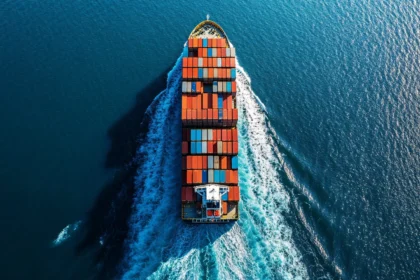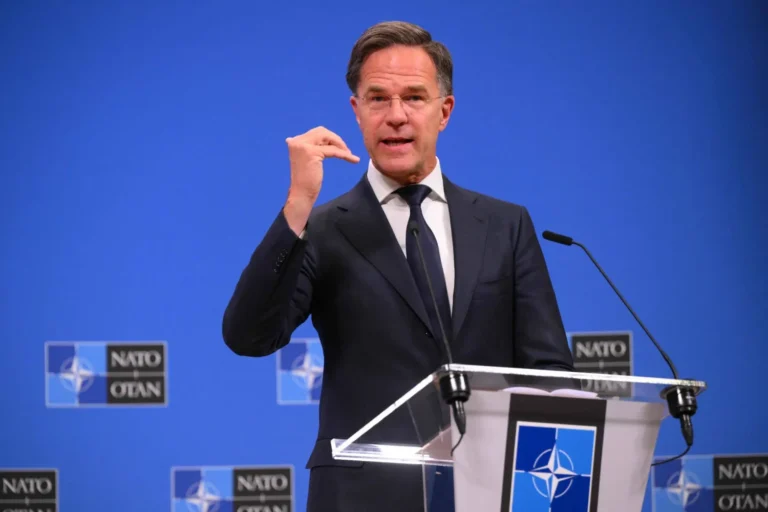
Stockholm, Sweden – NATO Secretary General Mark Rutte warned that any threat to strategic maritime routes and freedom of international navigation, including the Strait of Hormuz, would have “far-reaching consequences” for international security and the stability of the global economy. This comes amid surprise announcements from the United States of sending additional troops to Europe’s eastern flank.
Security of the Strait of Hormuz and energy supplies
On Friday, during the second day of the NATO foreign ministers’ meeting in Helsingborg, Sweden, Rutte explained that the organization is closely monitoring the rapidly evolving situation in the Strait of Hormuz. He also reaffirmed the Alliance’s unwavering position on the need to maintain freedom of navigation and the security of energy shipping lanes through this vital waterway.
The Secretary General noted that ensuring the security of navigation in the Strait is a fundamental issue of concern to all NATO members. However, it may not fall directly within the formal framework of the Alliance’s direct military missions.
In a related context, Rutte praised the pivotal and ongoing role of the United States in strengthening European security. He noted that the flow of vital American military equipment to Ukraine, particularly Patriot air defense systems, is a cornerstone of the Alliance’s security strategy. He also pointed out that a significant portion of this support is currently being funded by European countries. Furthermore, he highlighted the accelerating trend of increased defense budgets across the continent. He affirmed that many members are on track to achieve the goal of defense spending reaching 5% of GDP. This comes as part of the effort to counter Russia, which he described as a “long-term threat.” He stated that this necessitates strengthening the defense industries.
Trump is increasing the military presence in Poland.
In a move coinciding with NATO foreign ministers’ discussions in Sweden and escalating tensions with Tehran, US President Donald Trump announced via the social media platform Truth that Washington would send an additional 5,000 troops to Poland. He attributed this strategic move to the successful election of his ally Karol Noworski, the nationalist president of Poland, who is supported by Trump.
This sudden decision came weeks after Trump sharply criticized some of his NATO allies, accusing them of inaction and insufficient participation in supporting joint military operations against Tehran. He also hinted at the possibility of reassessing Washington’s commitment to the mutual defense agreement.
In contrast, Polish President Karol Noworski and Defense Minister Wojciech Kościąk Kamisz welcomed the American decision, asserting that the move reflects the depth of the strategic alliance. Meanwhile, observers, as reported by the Financial Times, believe that the current crisis in the Gulf may be just beginning. This comes amidst the interconnectedness of security issues between maritime energy routes and European defense fronts.