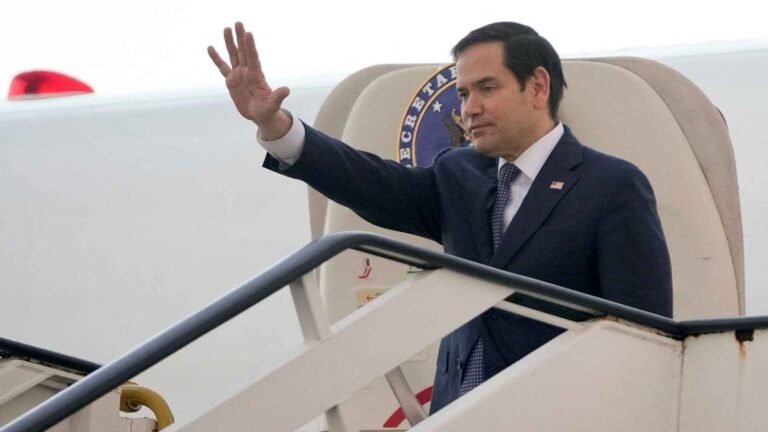
Brussels, Belgium – US Secretary of State Marco Rubio launched a sharp diplomatic attack on Tehran, accusing it of seeking to impose a unilateral mechanism and system for collecting transit fees from ships and oil tankers passing through international waterways, particularly the strategic Strait of Hormuz. He described this move as “completely unacceptable” and a blatant challenge to internationally accepted maritime law.
Warnings of a dangerous international precedent
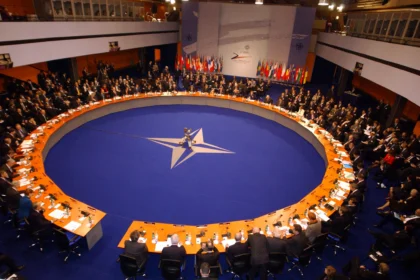
Rubio explained, in remarks made on Friday on the sidelines of the NATO summit, that Iran is currently trying to persuade Oman to join this proposed mechanism to legitimize it, given the two countries’ shared oversight of the Strait of Hormuz.
The US Secretary of Defense added, indignantly, “No country in the world should accept something like this at all, and I don’t know of any country in the international community that would support this provocative measure, except for Iran itself.”
He warned of the dangers of passing this measure. He pointed out that if transit fees are implemented in the Strait of Hormuz, it could be repeated and set a precedent in other vital waterways and waterways around the world. This is something that cannot be allowed to happen.
In the context of counter-diplomatic efforts within the halls of the United Nations, the US Secretary of State revealed that the Kingdom of Bahrain had submitted a draft resolution to the Security Council to counter Iranian efforts.
Rubio affirmed that the United States played an active and pivotal role in drafting and garnering support for this resolution. He noted that it currently enjoys the largest number of co-sponsors in the history of the Security Council. However, he expressed concern about indications that several countries are considering using their veto power to block the resolution, stating that such an outcome would be “very regrettable.”
A test of the UN’s effectiveness and an upcoming meeting of leaders
Rubio emphasized that Washington is making intensive efforts to build a strong global consensus to prevent the implementation of the Iranian plan. He considered this crisis a true test of the international system’s effectiveness, saying, “We urgently need to know whether the United Nations is still effective and capable of enforcing order, and we are striving to achieve tangible results through this diplomatic channel.”
He reiterated the critical importance of the Strait of Hormuz as a vital artery for all the countries present at the NATO meeting and for the global economy. He also noted its particular importance for the countries of the Indo-Pacific region.
In closing, the US Secretary of State expressed optimism about the outcomes of the current NATO summit. He noted that this ministerial meeting would essentially pave the way for the upcoming summit of the Alliance’s leaders in approximately six weeks. He emphasized that much hard work and ongoing coordination remained for the Allies until then to safeguard the security of global maritime routes.