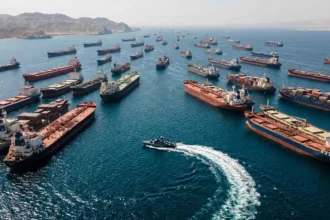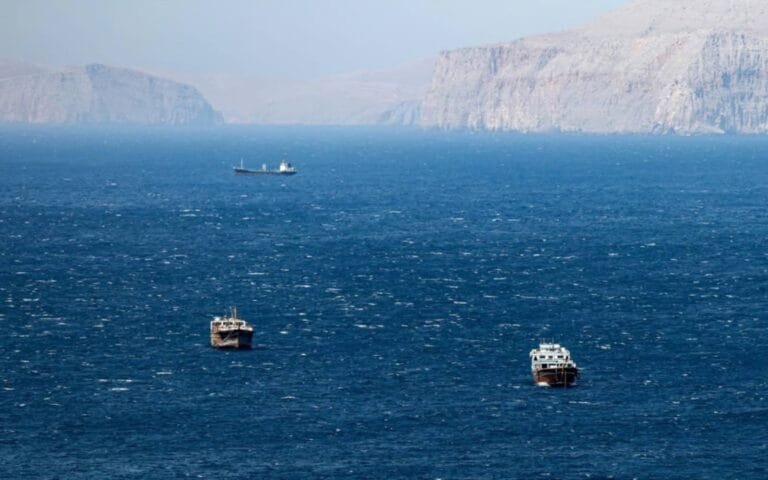
Tehran, Iran – Recent shipping data reveals a continued slowdown in maritime traffic through the Strait of Hormuz for the second consecutive day. This reflects the ongoing caution stemming from tense security developments in the region and the resulting concerns among shipping companies and energy tankers. The Strait of Hormuz holds significant strategic importance for the global economy, as it is a key waterway for transporting oil and gas from the Persian Gulf to international markets. Therefore, any decline in shipping traffic through the strait raises concerns about the future of energy supplies, transportation costs, and insurance premiums.
Shipping companies continue to assess risks before making sailing decisions, given the uncertainty surrounding future security developments. Meanwhile, markets are closely monitoring tanker traffic as a key indicator of the impact of regional tensions on global trade. The continued decline in vessel traffic is also raising concerns about rising voyage insurance costs. Furthermore, there is the potential for increased freight rates and energy prices if the instability persists.
Shipping traffic through the strait is of paramount importance to global markets. Any disruption or restrictions on transit could quickly impact oil and gas prices, as well as the costs of transporting goods and raw materials between Asia, Europe, and other markets. All eyes remain on the political and military developments in the region in the coming period, as it is awaited to see whether shipping will begin to recover gradually or whether the current cautious atmosphere will persist, placing further pressure on the maritime transport sector and energy markets.