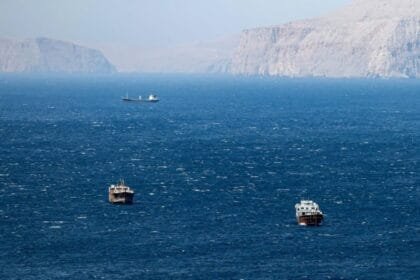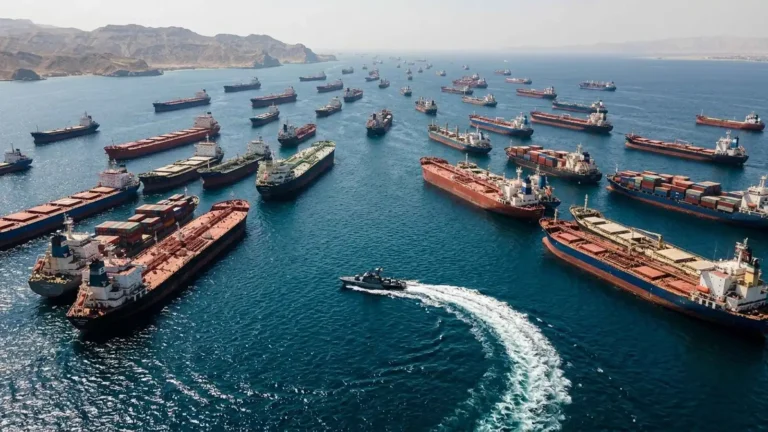
Washington, DC – US media reports have revealed a covert US military operation aimed at securing the passage of oil tankers through the Strait of Hormuz. This comes amid ongoing military tensions with Iran and a decline in maritime traffic in one of the world’s most important energy shipping lanes. According to Axios, US forces are managing the movement of several oil tankers through a specific maritime route in the southern part of the strait. This route lies near Omani territorial waters, allowing the continued flow of oil shipments despite the security risks posed by recent military developments.
Reports indicate that the operation relies on close coordination between US forces and regional partners. Furthermore, routes and schedules for ship passages are determined to minimize the likelihood of tankers encountering any threats while entering or leaving the Gulf. According to available information, a number of oil tankers transit this route daily, transporting approximately several million barrels of crude oil per day. This provides a crucial outlet for the continued flow of energy exports from the Gulf states to international markets.
The mission is not limited to protecting loaded oil tankers; it also includes assisting empty vessels in reaching Gulf ports to load their cargoes. Their journey in the opposite direction, towards the Arabian Sea and international markets, is then secured. This US move reflects growing concern about the repercussions of continued disruption to shipping in the Strait of Hormuz, a crucial waterway for oil and gas exports from the Gulf region. Any significant disruption to shipping through this strait could quickly impact energy prices and global supply chains.
Despite these measures, commercial shipping traffic through the Strait remains below normal levels. This is occurring amid ongoing security concerns and rising insurance and shipping costs, prompting transport and energy companies to proceed cautiously in the region. The Strait of Hormuz holds exceptional strategic importance, as a significant portion of global energy exports pass through it. Therefore, the stability of navigation through the strait is a key factor in determining oil and gas price trends during times of crisis.
The US move indicates Washington’s attempt to prevent the shipping crisis from escalating into a global energy crisis by keeping one of the most important oil export routes open, even if through limited and covert security arrangements. Conversely, the future of shipping in the Strait remains tied to the trajectory of the confrontation between the United States and Iran. It also depends on the ability of the parties involved to reach understandings that guarantee freedom of navigation and mitigate the risks of military escalation in the Gulf region.