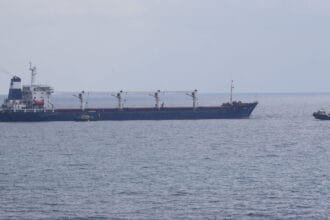
London, UK – Global oil prices fell to their lowest level in four months as concerns about shipping in the Strait of Hormuz eased and greater stability returned to one of the world’s most important oil shipping lanes. This prompted markets to reduce the geopolitical risk premium that had been driving prices higher in recent months.
Brent crude and West Texas Intermediate (WTI) both recorded significant losses in trading today, amid indications that oil shipments through the strait are flowing more regularly. This, in turn, boosted investor confidence in the near-term stability of global supplies.
The Strait of Hormuz is one of the most strategically important waterways in the energy sector, through which a large portion of oil and gas exports from the Gulf states pass to global markets. Any disruption to shipping through it has a direct impact on energy prices and international financial markets.
Analysts noted that easing regional tensions and improved shipping traffic have helped alleviate concerns about supply shortages. This has prompted traders to increase selling and take profits after the recent price surge in crude oil.
Meanwhile, markets are closely watching developments in the region’s political and security landscape, as well as global oil demand data. It’s worth noting that China and the United States are the world’s largest energy consumers.
Experts believe that oil prices will remain volatile in the coming period, as investors continue to monitor any developments that could affect shipping or global supply levels. However, improved conditions in the Strait of Hormuz have brought some calm to the markets and refocused attention on the fundamentals of supply and demand.
These developments come at a time when oil-producing nations are striving to balance price stability with maintaining production levels. Furthermore, a cautious mood is expected to persist in global markets during the second half of the year.