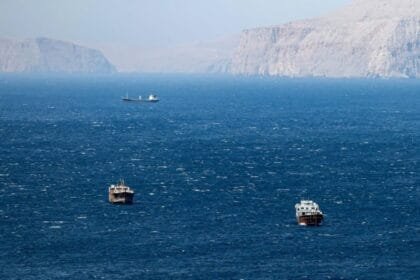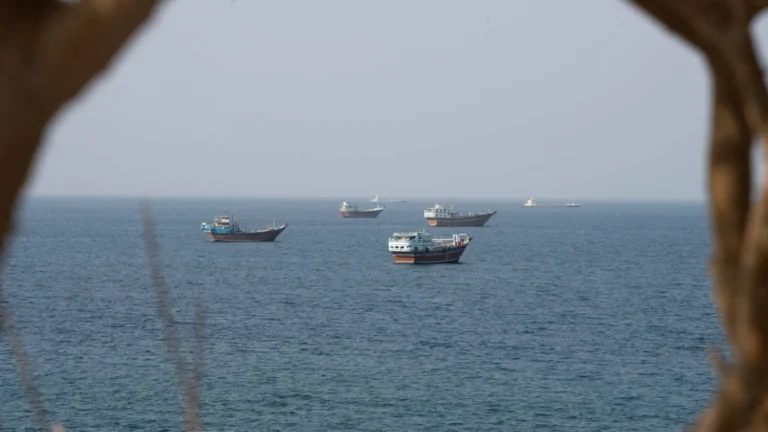
Tehran, Iran – Shipping traffic through the Strait of Hormuz has declined further, with only six vessels transiting the strategic waterway. This reflects the continued anxiety among shipping companies due to military tensions and security risks in the region. These developments come at a time when trade through the strait is already experiencing disruption. Shipping companies are increasingly concerned about the heightened risks associated with transit, prompting several tankers to postpone voyages or seek alternative routes.
Ship traffic data indicates a decrease in the number of vessels transiting the strait compared to previous days. This comes as tensions surrounding the potential war between the United States and Iran continue to cast a shadow over trade and energy activity in the Gulf region. The Strait of Hormuz is one of the world’s most important maritime chokepoints, through which a significant portion of oil and gas exports from the Gulf states pass to global markets. This makes any disruption to shipping traffic a direct concern for energy markets.
Concerns are growing about the repercussions of the continued decline in shipping traffic, particularly oil and gas tankers. This is due to the reliance of many Asian and European countries on supplies passing through the region. The situation could lead to higher transportation and insurance costs, impacting global energy prices. Shipping companies are closely monitoring security developments before deciding whether to resume normal transit operations. This comes amidst uncertainty surrounding the future of navigation in the Strait and ongoing regional tensions.
Observers fear that the continued decline in shipping traffic will increase pressure on oil and gas markets, especially if the instability persists. A return to normal shipping levels remains largely dependent on the success of efforts to de-escalate tensions and ensure the security of maritime routes. This latest drop in transiting vessels also underscores that the Strait of Hormuz remains a critical chokepoint for global trade, and any ongoing disruption there could quickly impact energy markets, supply chains, and transportation costs in many countries.