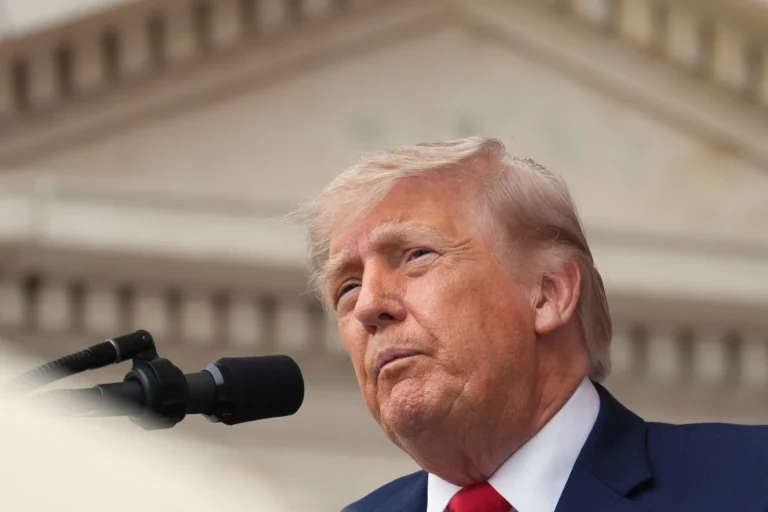
Washington, United States – U.S. President Donald Trump has announced what he described as a “breakthrough” in talks with Tehran, sparking widespread interest regarding the future of bilateral relations and the possibility of reaching new understandings in the coming period. Despite the reported progress, the specific details or the nature of points agreed upon have not been fully disclosed, opening the door to numerous questions regarding the content of potential agreements and the files included in the discussions.
Key Issues: Nuclear Program and Maritime Security
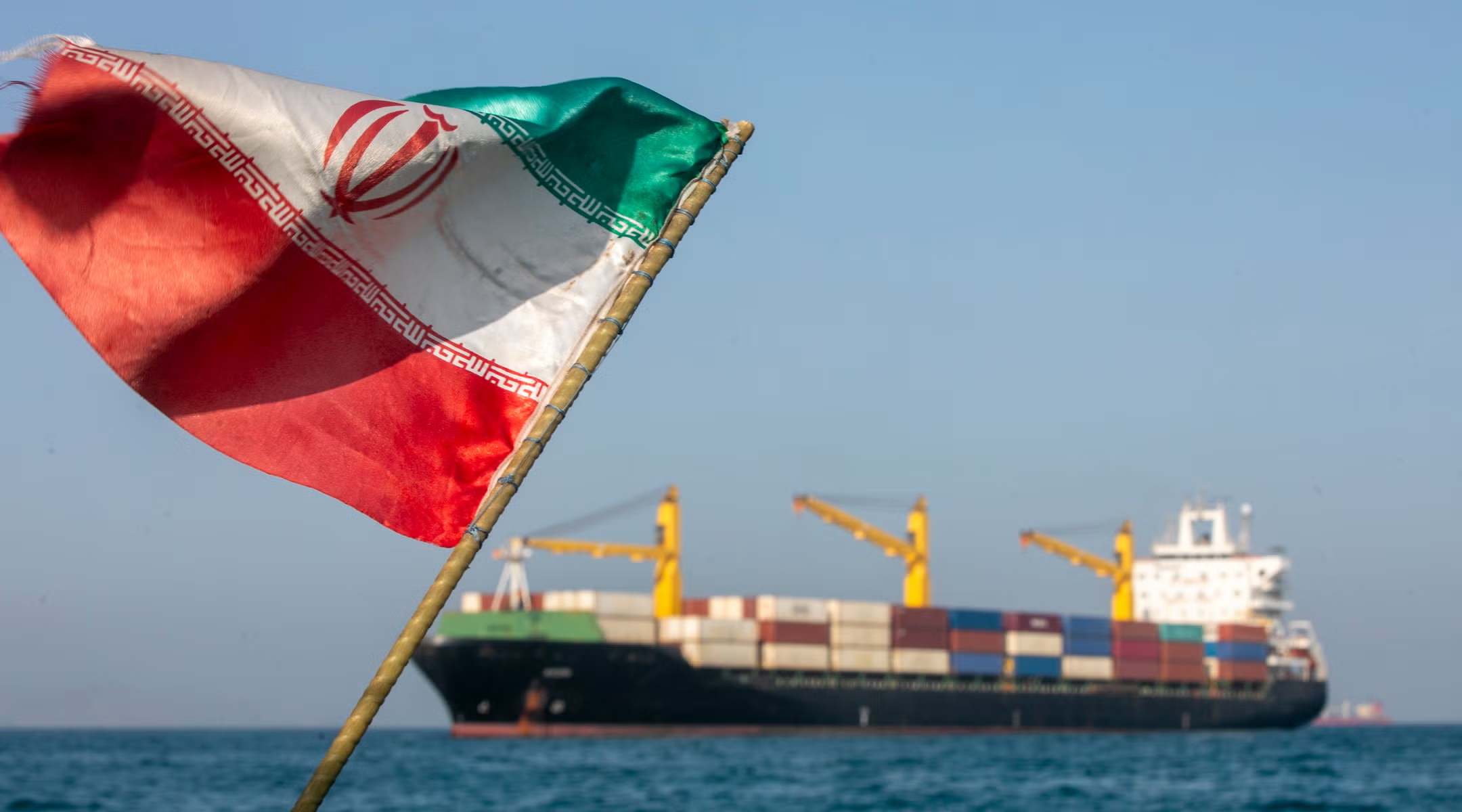
Matters related to Iran’s nuclear program, economic sanctions, and regional security issues—most notably the Strait of Hormuz and uranium enrichment—remain central to the dialogue. Reports from May 2026 indicate that negotiations may involve a draft agreement that could include formally ending the war, reopening waterways, and easing certain sanctions in exchange for restrictions on the nuclear program, though both sides continue to exercise caution regarding a final deal.
A Complex Political and Security Landscape
Observers believe that any progress in the negotiation path could significantly impact the political and security landscape of the region, especially given the sensitivity of Iran-related files in international and regional politics. Conversely, the ambiguity surrounding the details of the discussions remains a primary factor in assessing whether this announced progress can materialize into actual, binding agreements on the ground, with President Trump emphasizing that he will not rush into a deal that does not meet U.S. requirements.