The Asian political arena witnessed intensive diplomatic movements to solidify strategic balances facing brand-new eastern alliances. The current US-Korean alliance coordination aims to shield mutual interests and guarantee freedom of navigation across vital global waterways. South Korean President Lee Jae-myung executed a prolonged telephonic communication with US President Donald Trump last night. The political dialogue between both leaders sustained for thirty complete minutes to exchange visions concerning outstanding portfolios inside the region. The call materialized based on an urgent request from the Seoul government to arrange security and defensive frameworks. This stride arrives merely two days following the conclusion of Trump’s official visit to the Chinese capital, Beijing, in 2026.
Sharing Beijing Summit Outcomes and Confronting Pyongyang’s Military Convergence
President Trump clearly briefed his Korean counterpart on the detailed outcomes of his recent summit with Chinese President Xi Jinping. Both sides reviewed the comprehensive nature of US-Chinese relations and commercial pacts signed between both superpowers inside the zone. Deliberations tackled rapid military developments across the Middle East and the security of the sensitive Korean Peninsula. Trump asserted Washington’s commitment to performing a decisive and necessary role to achieve sustainable peace, preventing field explosions. Regional stability relies upon intelligence cooperation and continuous close consultation between Washington and Seoul regularly.
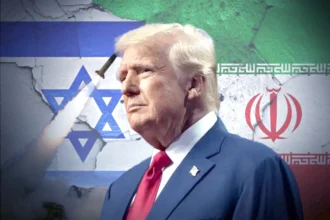
These movements acquire paramount significance under the shadow of mounting military convergence between North Korea, Moscow, and Beijing recently. Security apparatuses exchange sensitive intelligence data to monitor Pyongyang’s intercontinental ballistic missile trajectories. Trump currently concentrates his diplomatic endeavors on terminating the violent energy war raging against Iran inside the Middle East. The current stance mandates constructing a unified defensive front guaranteeing ally safety, preventing abrupt escalations on Asian fronts. The South Korean presidential spokesperson proclaimed that coordination with the White House proceeds with total efficiency and mutual consensus.
The Straits of Hormuz Dilemma and Nuclear and Commercial Cooperation Prospects
The telephonic deliberations expanded to encompass proposed remedies for global maritime shipping line crises and liquefied natural gas supplies. Observers highlighted specific measures designed to guarantee international trade and navigation freedom within the strategic Strait of Hormuz. Washington demands the Seoul government deploy supplementary military forces and naval assets there to participate in vessel protection. Concurrently, optimism prevails regarding boosting commercial cooperation via the faithful execution of all clauses inside the “Joint Fact Sheet.” This commitment supplies brand-new momentum for investment blueprints across clean energy fields and digital technology with distinction.
Joint technical committees explore prospects for developing Korean nuclear submarines and reviewing the bilateral nuclear cooperation pact between both factions. Engineers seek to update air and missile defense ecosystems to shield vital hubs and gigantic industrial factories inside the Republic of Korea. Although the call’s short duration did not permit diving into complex financial challenges such as currency swaps and the “Coupang” case. Experts believe this direct communication paves the path for an anticipated breakthrough across thorny and difficult portfolios over upcoming weeks. The upcoming G7 summit in France next month supplies a renewed opportunity to hold a direct summit assembly between both presidents.