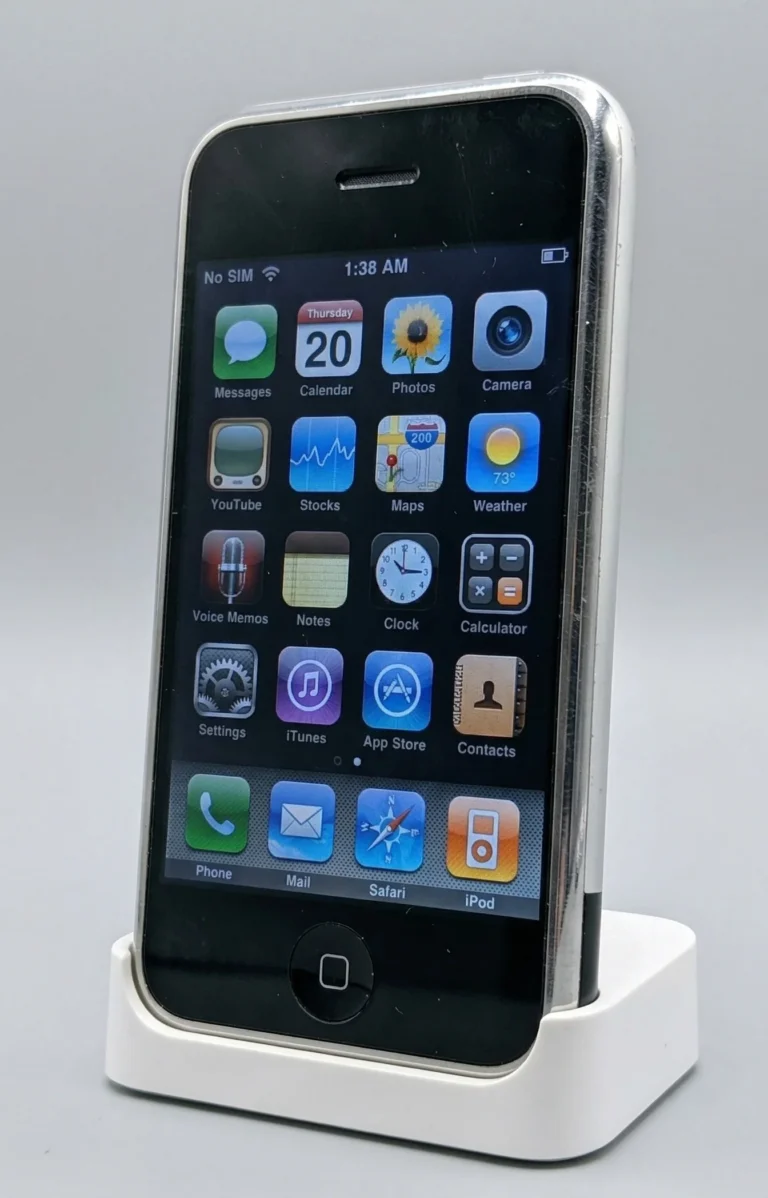
California – California, United States – The bottom app bar “Dock” on iPhone devices has undergone a remarkable evolution since the first version of iOS was released, transforming from a fixed space for core apps into a smart element that reflects user behavior and adapts to design advancements.
In the early days, the Dock was limited to displaying only four apps, with a simple design aimed at providing quick access to frequently used functions such as phone, messages, and the browser. There was little to no customization offered.
As iOS evolved, Apple introduced gradual improvements, including the ability to change pinned apps. Moreover, there were enhancements to the visual design to make it more elegant and integrated with the system interface. This was especially evident with the shift to flat design starting from iOS 7.
Later, with the launch of iPad devices, the Dock became more intelligent and added app suggestions based on usage. In addition, there was drag-and-drop support and the ability to open multiple apps simultaneously. This greatly enhanced multitasking capabilities.
In recent versions, the Dock has become more dynamic, reflecting user behavior by showing recently used apps. Furthermore, there is integration with AI-driven features within the system, offering a smoother and faster experience.
This evolution reflects Apple’s philosophy of gradually improving user experience. The Dock has transformed from a simple static element into a core part of an intelligent ecosystem that enhances usability and productivity.