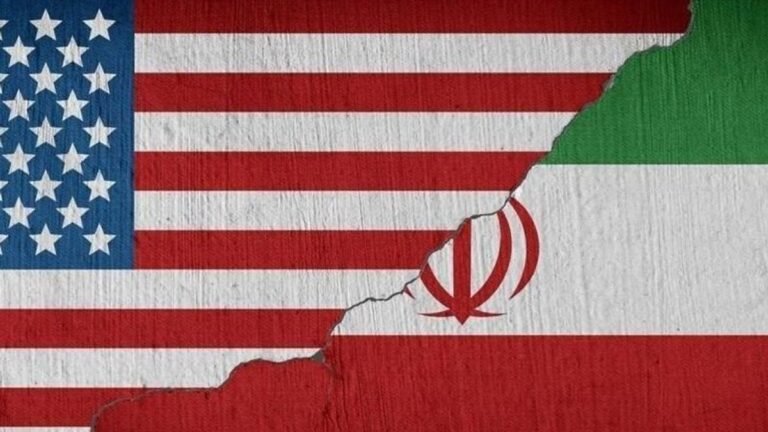
Washington, USA – In a move reflecting a mutual desire to defuse tensions, Reuters reported that the United States and Iran have agreed to extend their ceasefire for an additional 60 days. This agreement is the fruit of understandings reached in early April. It aims not only to freeze military operations but to create a stable political environment allowing negotiators to discuss fundamental pending issues. A cornerstone of this agreement is the “reopening of the Strait of Hormuz,” a vital corridor for global energy. This move marks a gesture of goodwill and confidence-building from both sides.
Strait of Hormuz: Life Returns to the Global Energy Artery
Furthermore, the decision to reopen the strait 30 days after the final agreement represents a radical shift in the regional security landscape. The strait has faced periods of closure and military tension threatening global oil supplies. Under the agreement, it will return to normal, allowing ships from all nations to transit freely and safely. From this perspective, this move will help calm global markets that have suffered from uncertainty. As a result, it will ensure the fluidity of supply chains that serve as the backbone of the global economy.
Dimensions of the De-escalation: More Than Just Silence of the Guns
In the same context, analysts view the 60-day window as a “strategic space” for dialogue. The agreement is not limited to securing navigation. Instead, it extends to political arrangements aimed at addressing more complex files, such as the nuclear program, regional influence, and regional security at large. This trend toward gradual de-escalation reflects an understanding that open confrontation serves neither party’s interests. Furthermore, it shows that diplomatic solutions—however difficult—are the only path to avoiding regional catastrophe.
The Future: Awaiting a Comprehensive Settlement?
Ultimately, this agreement puts the world before a new phase of “quiet diplomacy.” While international capitals watch to see if both sides will fulfill these confidence-building measures, the question remains: will the ceasefire period succeed in transforming a “pause in fighting” into “lasting peace”? Reopening the Strait of Hormuz is a positive indicator, but it is only the first step on a long path. Today, as eyes turn toward Washington and Tehran, the international community hopes these understandings will turn into a roadmap. This roadmap would lead the region away from the brink, toward long-awaited stability.