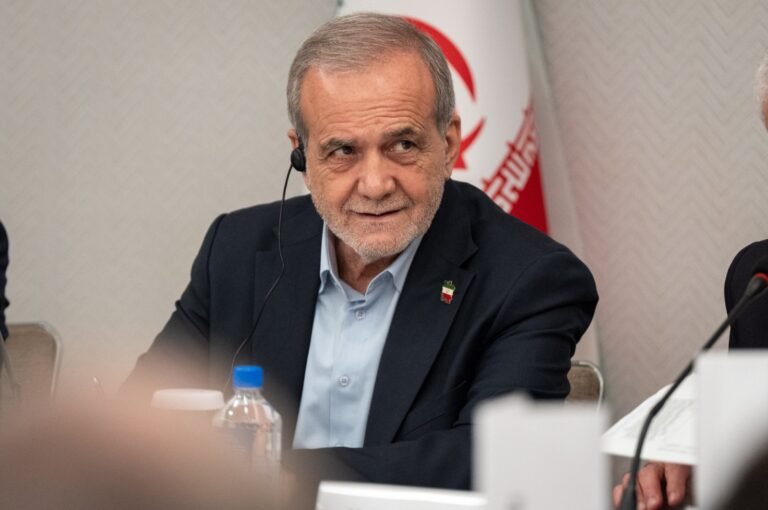
Tehran, Iran – In a notable move aimed at turning the page on recent digital restrictions, Iranian President Masoud Pezeshkian has issued official directives to restore internet services in Iran to their previous state. The decision, reported by Fars news agency, comes as a response to the urgent need to restore stability in the telecommunications sector. This sector serves as the lifeline for daily life and economic activity in the country. For this reason, this move puts an end to a period of digital uncertainty. Moreover, it paves the way for citizens and institutions to resume their work in a more flexible and stable communication environment.
What Does This Decision Mean for Citizens and Vital Sectors?
Furthermore, resetting the network to its “usual settings” is not merely a technical procedure. It is a reassuring message to vital sectors such as education, government services, and e-commerce. These sectors were adversely affected by previous restrictions. Consequently, this step is expected to contribute to:
- Facilitating Business: Restoring communication efficiency in institutions and companies.
- Digital Services: Improving access to the educational and government platforms relied upon by millions.
- Social Stability: Alleviating tensions associated with difficulties in domestic and international communication.
Revisiting “Digital Infrastructure Policies”
In the same context, this move comes at a time when the Iranian government continues to review its policies regarding digital infrastructure. After periods of restrictions imposed by temporary security or regulatory needs, there appears to be a shift toward finding a balance between “security requirements” and the “growing societal needs” for fast, reliable internet access. The decision represents an attempt to correct the course. Additionally, it ensures that digital infrastructure remains a support, rather than an obstacle, to economic and social development in the country.
Toward a New Era of Digital Connectivity?
Ultimately, while details regarding the full implementation timeline remain to be monitored, the general trend reflects an awareness of the importance of “digital sovereignty.” This does not mean isolation. Instead, it means the ability to manage communication resources to safeguard security while ensuring well-being. The next challenge for the Iranian administration will be to ensure the sustainability of this “normal” state. Furthermore, they must develop digital infrastructure that meets the aspirations of users in an era where the internet has become an indispensable fundamental right.