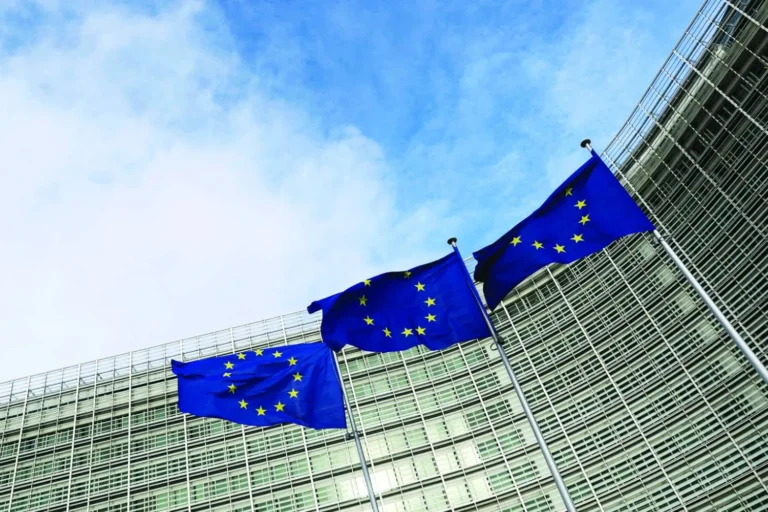
Brussels, Belgium – The European Union is preparing for a pivotal step in its economic trajectory. The General Affairs Council gathers in Brussels tomorrow to begin shaping a political consensus on the Multiannual Financial Framework (MFF) for 2028–2034. This budget serves as the “roadmap” for EU spending and comes at a sensitive time. Global economic volatility and increasing geopolitical challenges make timing crucial. Through these discussions, the Council aims to set clear spending caps. These caps will strengthen the “Single Market” and boost growth. As a result, the continent will become more globally competitive. In this context, the focus is on the European budget (EU budget) as the main element in drawing up the Union’s future financial policies.
Spending Priorities: Innovation as a Pillar for Stability
Furthermore, the proposed budget—presented by the Commission in July 2025—is not just about figures. It reflects a strategic vision centered on “supporting innovation.” Northern European countries are leading the charge and demand “simplified procedures”. These procedures would allow small and medium-sized enterprises (SMEs) to access EU funding more easily. From this perspective, the focus is on activating “risk financing tools” to support startups. In addition, research and development funding should go to the most efficient projects. Also worth noting, much of the innovation strategy remains closely linked to the priorities set out in the EU’s budget. The proposal also strengthens the role of the private sector as a key partner in these investments. وتجدر الإشارة إلى أن أولويات الإنفاق ضمن الاتحاد الأوروبي تعتمد بشكل أساسي على توزيع الميزانية الأوروبية.
The European Council Agenda: Hot Topics
In the same context, the General Affairs Council meeting paves the way for the European Council summit in June. This summit will bring heavyweight files to the table beyond the economy. In fact, it will reach the core of security and international politics. The agenda includes: كما ستناقش القمة الأوروبية القضايا المتعلقة بالميزانية الأوروبية ودورها في دعم سياسات الأمن والدفاع. It is important to highlight that decisions about security often relate directly to how EU budget priorities are established.
- Security and Defense: Strengthening European defensive capabilities amidst the ongoing war in Ukraine.
- Foreign Policy: Fast-moving developments in the Middle East.
- Rule of Law: Continuing the annual dialogue on the state of democracy and the rule of law in member states such as France, Italy, Croatia, and Latvia.
- Relations with the UK: Discussing ways to develop future cooperation between Brussels and London.
The Challenge of Balance: Between Sovereignty and Cooperation
Ultimately, this financial framework is a test of the European bloc’s cohesion and its ability to unify priorities despite varying national interests. The success of these negotiations lies not just in allocating funds. Instead, it is about ensuring that EU spending creates real “added value” for citizens and businesses. As eyes turn to Brussels, the question remains: will member states succeed in overcoming traditional disagreements over spending shares? Will they produce a budget that gives the EU stronger economic weight in a world shifting toward giant economic blocs؟ ويبقى التحدي الأكبر هو بناء توافق حول توزيع الميزانية المتعلقة بالاتحاد الأوروبي (EU budget) لضمان تحقيق أقصى فائدة اقتصادية.