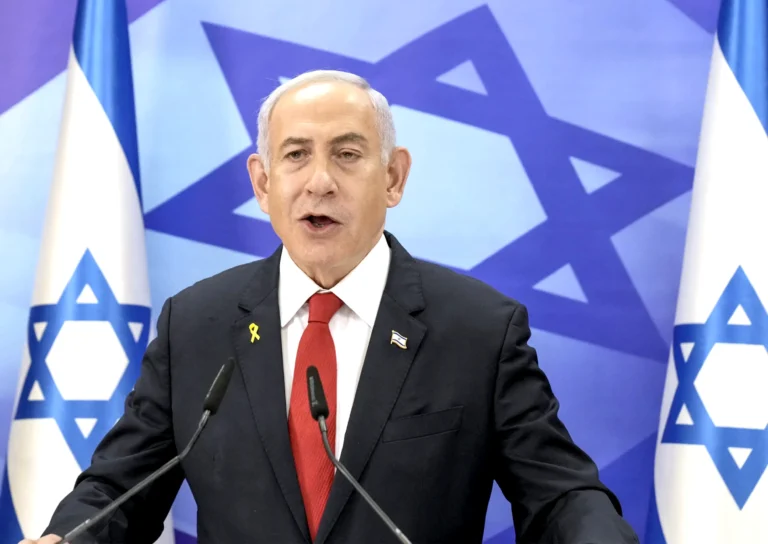
Tel Aviv, Israel – In the sharpest rhetoric since the recent tensions began, Israeli Prime Minister Benjamin Netanyahu has made resounding remarks. He confirmed he has issued explicit military orders to “crush Hezbollah.” This announcement is not merely an escalation in political discourse; it signals Israel’s transition from a “deterrence” strategy to one of “military resolution.” Consequently, the Israeli government no longer conceals its intention to carry out a large-scale operation. Additionally, it maintains that the security of the northern front can no longer wait for containment.
Beyond the “Crush” Orders: Changing the Rules of the Game
Furthermore, these statements reflect an Israeli conviction that the threats emanating from Lebanon have crossed red lines. Netanyahu, facing intense domestic pressure, intends to send a clear message. He wants to show that the “Israeli military is prepared to take extensive measures,” and that the phase of “restraint” is over. From this perspective, these orders may pave the way for intensive airstrikes and potential ground military operations. The operations are aimed at undermining Hezbollah’s military capabilities. Ultimately, they are designed to radically alter the security reality along the Lebanese border.
Regional Concern Over the “Worst-Case Scenario”
In the same context, Netanyahu’s statements have triggered a state of diplomatic alert. International capitals, which were banking on diplomatic efforts to contain the conflict, now find themselves facing a field reality. That reality is rapidly plunging toward explosion. Experts fear that “crushing” Hezbollah’s capabilities may not be a military stroll. Instead, it could lead to wide-scale reactions involving multiple regional zones. This would threaten to plunge the region into an open-ended regional confrontation. Hezbollah’s entanglement in regional balances makes any Israeli military escalation a potential spark for an “uncontrollable fire.”
The Lebanese Front: Between Rhetoric and the Field
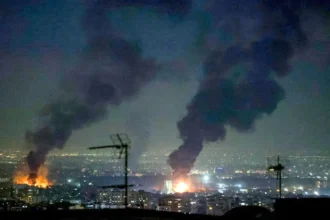
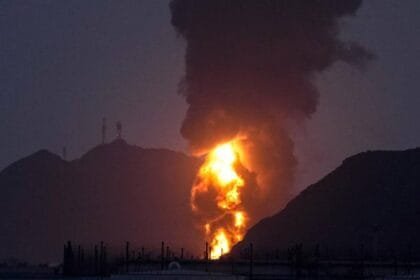
Ultimately, the central question remains: will Netanyahu’s orders translate into immediate military action, or are they part of “psychological warfare” and political pressure? The field in Southern Lebanon continues to boil with exchanges of fire, and both sides are acting as if the war has already begun. As major capitals watch the scene closely, civilians in the region remain the first victims of this escalation. The decision to “crush” may mark the end of one phase. However, it also remains a major gamble on the future of stability in the Middle East.