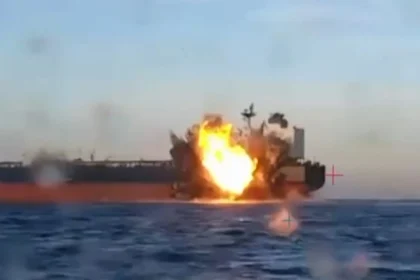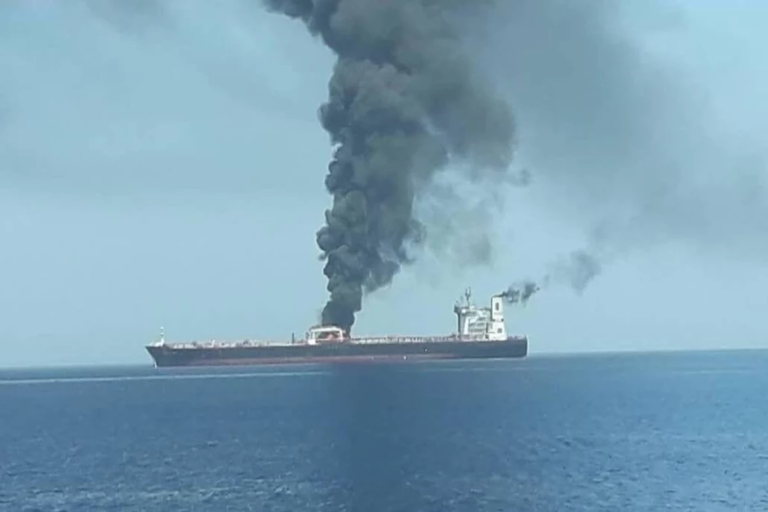
The Iranian Revolutionary Guard Corps (IRGC) navy targeted a commercial cargo vessel flying the flag of Thailand within the strategic waters of the Strait of Hormuz on Friday, according to Iranian state-affiliated media. This dramatic field development introduces a volatile layer of friction to one of the world’s most vital maritime chokepoints, amplifying international concerns over an expanded regional conflict capable of threatening commercial freedom of navigation and choking critical global energy supply chains.
Iranian Narrative on Unauthorized Transit and Interception
Tasnim News Agency, which maintains close ties with Iran’s military apparatus, cited an informed security source stating that the commercial ship deliberately continued its route through the strait despite receiving multiple maritime radio warnings and signals from IRGC naval patrols. According to Tehran’s official narrative, the vessel’s refusal to halt or secure prior transit permission prompted Iranian forces to actively intercept and target the ship. While state media confirmed the direct confrontation, specific details regarding the type of weaponry deployed, structural damage incurred by the hull, or the exact status and physical safety of the crew members remain unreleased.
Maritime Transit Bottleneck: This security incident coincides with data from global shipping intelligence networks indicating a sharp decline in daily maritime traffic through the chokepoint. Vessel tracking records show only 8 commercial ships successfully transited the Strait of Hormuz within the past 24 hours, marking the lowest operational transit volume in several weeks as war-risk insurance premiums soar and shipping companies seek alternative routes.
Global Market Anxiety and Awaiting International Counter-Responses
International energy markets and diplomatic circles are closely monitoring the situation, waiting for formal independent verifications or statements from the government of Thailand and global maritime monitoring agencies. Economists warn that persistent disruptions within the Strait of Hormuz—which serves as the primary conduit for roughly 20% of seaborne crude oil trade worldwide—could ignite a severe global economic shock. The incident is expected to draw sharp international condemnation and calls for reinforced naval coalitions to guarantee the safety of civilian crews and protect international waters from unauthorized unilateral blockades.