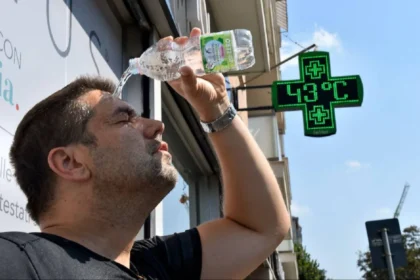
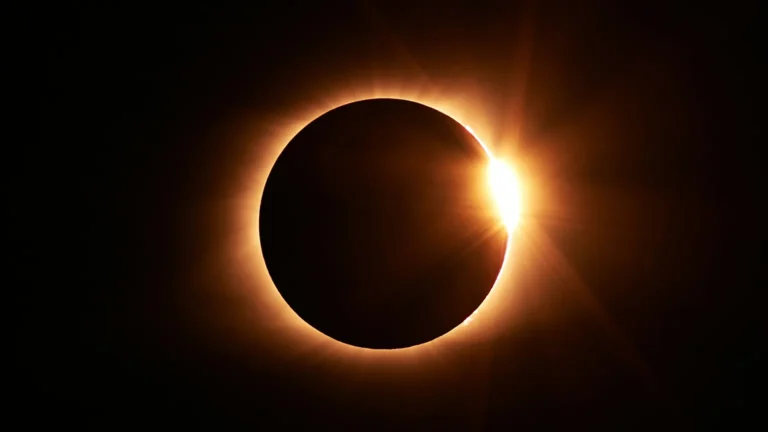
Brussels, Belgium – Europe faces an unprecedented and historic stress test of modern energy market standards. This is following projections of a sharp and rapid decline in electricity production from photovoltaic cells. This coincides with a total solar eclipse scheduled for Wednesday, August 12, 2026. The astronomical phenomenon comes at a particularly sensitive time. The European electricity grid is already under immense pressure due to a prolonged heatwave. This heatwave has led to a sharp drop in water reserves and conventional power generation levels.
Solar eclipse and record decline in solar energy
According to data from the European Transmission Systems Operators Association (ENTSO-E), under clear skies, photovoltaic power generation across the continent could fall by up to 9.7 gigawatts during the eclipse. However, the real challenge lies in the rapid change; solar radiation will drop sharply and suddenly. Then, it will gradually rise again as the moon moves away from the sun. Thus, this presents control centers with a critical test in balancing supply and demand in real time.
Spain is among the countries facing the greatest challenge, as the eclipse will be total over large parts of the north.
The Spanish grid operator, Red Eléctrica, estimates that solar power generation could fall by as much as 5 gigawatts, a significant loss representing a substantial percentage of total domestic electricity demand. This isn’t limited to Spain; it extends to other major Western European countries. In Britain, France, and northern Italy, the moon will obscure more than 90% of the sun’s disk at the peak of the phenomenon. In addition, forecasts in Britain indicate a loss of between 700 megawatts and 1.3 gigawatts of solar power. This coincides, ironically, with a surge in domestic demand as millions of consumers return home and use heavy appliances. Also, they rely heavily on air conditioning to combat the heatwave.
The repercussions of the heat wave and the limitations of traditional power generation stations
The eclipse itself is not a direct threat to the stability of the electrical grid, as operators have long been aware of its timing and magnitude. However, the real challenge lies in its coinciding with severe operational constraints imposed by the prolonged heatwave.
High temperatures and low water levels in rivers and reservoirs have hampered the operation of many nuclear and thermal power plants that rely on cooling water.
In France, several nuclear reactors have been affected by low river levels. Meanwhile, coal-fired power plants in Poland have had to temporarily reduce operations due to the low water level of the Vistula River. Furthermore, hydroelectric reservoirs in Norway—a major source of electricity exports to the rest of the continent—are recording critically low levels. The inevitable result is that Europe is facing a solar energy deficit of nearly 10 gigawatts. This comes at a time when other alternatives are operating under severe constraints.
Network operator readiness and emergency solutions
Despite the significant electricity losses, relevant authorities confirm there are no warnings of a general power outage. This is because network operators have prepared alternative sources and strategic reserves to compensate for the shortfall. The gap will be bridged by operating natural gas plants and increasing the efficiency of hydroelectric power stations. Additionally, authorities are activating energy storage systems and relying on imports via regional interconnection lines.
In a proactive move to reduce the load, major energy providers in Britain, such as Octopus Energy, urged consumers to avoid using high-consumption appliances (like washing machines and dishwashers) for a few critical hours. Conversely, one factor working in the grid operators’ favor is the timing of the eclipse. It occurs in the late afternoon and early evening. This period naturally sees a gradual decrease in the efficiency and output of photovoltaic cells. Thus, this facilitates load management and allows the situation to unfold smoothly.