Damascus, Syria – A criminal court in the capital, Damascus, issued final verdicts sentencing former Syrian President Bashar Hafez al-Assad and his brother Maher al-Assad to death. The sentences also included a number of prominent figures from his former regime, based on their involvement in war crimes and crimes against humanity. Moreover, these verdicts were based on the suppression of peaceful popular protests that began in 2011.
Details of prominent court rulings
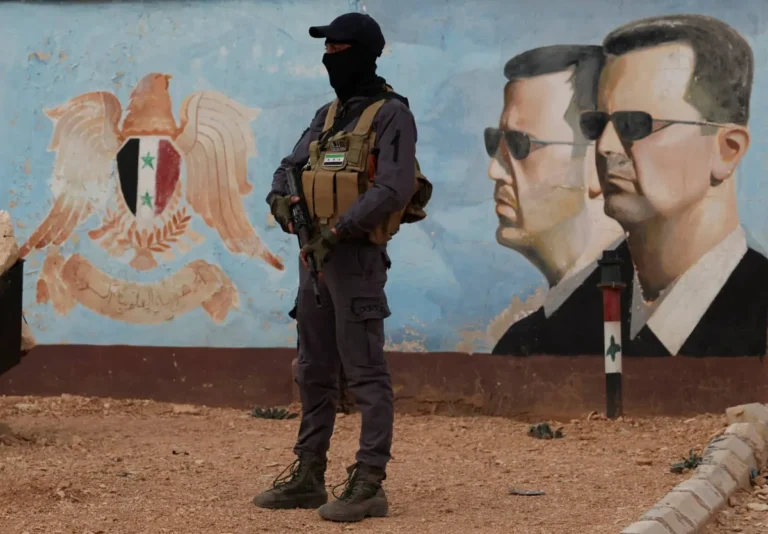
The Syrian judiciary issued rulings against several prominent security and political figures. Former President Bashar al-Assad was sentenced to death in absentia after being formally convicted of the premeditated murder of multiple people, including children. He was also convicted of torture, arbitrary detention, and crimes against humanity. The ruling stated that he used the resources and apparatus of the state’s military and security forces to carry out systematic war crimes against civilians. Furthermore, his brother, Maher al-Assad (former commander of the Fourth Division), was also sentenced to death in absentia after being convicted of premeditated murder and torture. He was also convicted of direct incitement to violence against peaceful demonstrators.
Atef Najib, Bashar al-Assad’s cousin and former head of the Political Security branch in Daraa, was also sentenced to death. He was personally present at the court session. The court deemed his bloody actions to be fully complicit in war crimes and crimes against humanity. It rejected all his attempts to deny the charges against him in light of the overwhelming and irrefutable evidence.
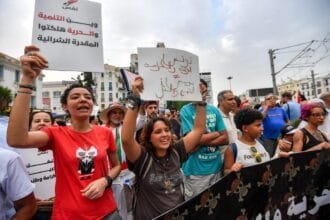
In addition, the list of court rulings included seven other defendants, figures from the former regime, who remain at large. They were convicted of similar crimes, including premeditated murder, systematic torture, arbitrary arrest, and crimes against humanity. These landmark trials were a legal entitlement related to the suppression of popular protests in Daraa Governorate in early 2011. This period was accompanied by egregious and grave violations such as the massacre at the Omari Mosque and other documented crimes.
The political context and international prosecution decisions
These harsh sentences come as part of transitional justice measures and accountability for those responsible for grave violations following the fall of the Assad regime in December 2014. Judicial and governmental authorities had previously issued a series of decisions in May 2016. These decisions stripped Bashar and Maher al-Assad, along with several other regime figures, of their civil rights. Furthermore, all their movable and immovable assets were placed under government custody and administration.
Given that Bashar and Maher al-Assad are outside Syrian territory—believed to be in Russia—the issued rulings include legal mechanisms for their prosecution. These mechanisms also cover international extradition through appropriate diplomatic and judicial channels. It should be noted that these rulings remain subject to appeal or challenge in accordance with the procedures followed under Syrian law. This comes amidst anticipation of further official statements from the Ministry of Justice and the Syrian Arab News Agency (SANA).