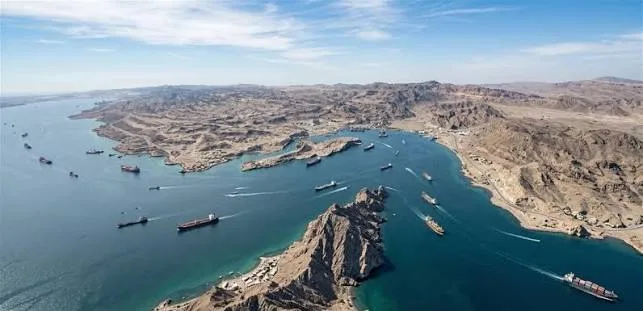
Tehran, Iran – Recent shipping data shows a sharp and unprecedented drop in traffic through the vital Strait of Hormuz. Only six ships passed through on Monday, compared to a ten-day average of about 11. This comes amid rapidly fading hopes for a political agreement or settlement between the United States and Iran.
Detailed shipping data and a record decline compared to the pre-war period.
According to data released by the specialized platform Kpler on Tuesday, by 04:20 GMT, only four cargo ships—including two empty oil product tankers—had entered the strategic waterway. The same data showed that only two vessels had exited the strait. One was a small tanker carrying liquefied petroleum gas, and the other was carrying residual fuel.
These low figures reveal the extent of the paralysis gripping the strait, especially when compared to the pre-war period. Shipping traffic typically saw between 130 and 140 vessels transit daily. In contrast, Kepler data showed that traffic in another maritime chokepoint, the Bab el-Mandeb Strait, remained relatively stable. On Monday, 25 ships passed through. This figure did not significantly change from the ten-day average of approximately 24 vessels.
Trump asserts US naval dominance and calls Iranian negotiators “deceivers”.
These developments on the ground coincide with sharp and firm statements made by US President Donald Trump during a lengthy interview with the “Real Voice of America” podcast. He also made remarks to reporters at the White House on Monday, August 10th. During these remarks, Trump confirmed that negotiations with the Iranian side were stalled. He described Tehran officials as “very deceitful” and “dishonest.” He added that he had been “sort of” negotiating with them. However, they would agree to something and then publicly deny it.
Trump emphasized that the US Navy alone has complete control over the Strait of Hormuz. He added, “We have a completely impenetrable naval blockade, like a steel wall. We allow whomever we want to come in and out, so the strait is open to others, but we will not allow ships to pass through and go to Iran.” He acknowledged the complications arising from occasional mine laying. He also asserted that US forces have completely cleared the strait and control it 100%. Furthermore, he reiterated that the option of “defeating them economically and delivering a powerful blow” remains a key part of Washington’s strategy. He explained this strategy pressures Tehran into paying the price for its bad actions over the past decades.