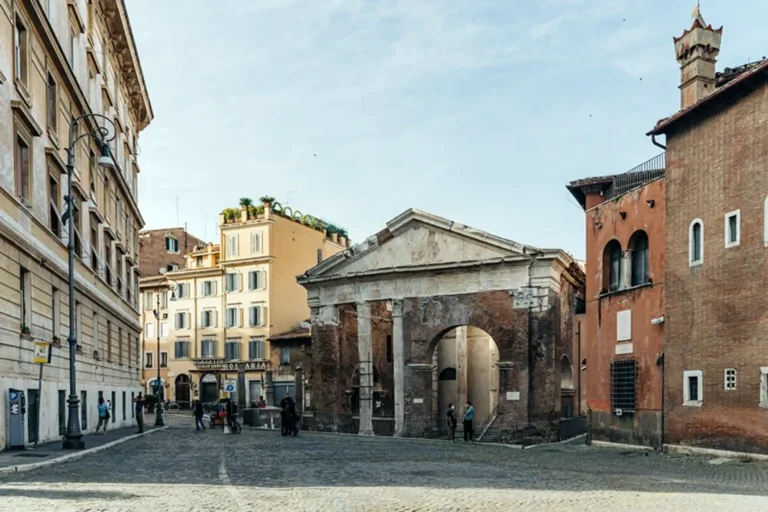
Rome, Italy – The Jewish ghetto in Rome stands as one of the most prominent historical examples of religious discrimination in Europe.
A papal decree in the 16th century confined Jews to a closed quarter,
imposing strict restrictions on their daily lives – a move that had lasting effects for centuries.
The term “ghetto” later came to refer to neighborhoods where members of a particular group were forced to live separately,
before gaining widespread recognition during World War II with the establishment of Jewish ghettos in several European cities.
A papal decree that changed the lives of Jews
In 1555, Pope Paul IV issued a papal bull known as the “Cum nimis absurdum,” imposing sweeping restrictions on Jews in the Papal States,
most notably requiring them to reside in a segregated quarter within the city of Rome.
This decree was part of a policy aimed at limiting the integration of Jews
into Christian society and exerting greater control over their economic and social activities.
The ghetto was established in an area near the Tiber River and was surrounded
by walls and gates that were closed at night and opened during the day.
Its inhabitants were not permitted to leave during the night except in exceptional circumstances.
Over time, the growing population within the confined space led to severe overcrowding,
making living conditions in the ghetto difficult, especially with the frequent flooding that plagued the region.
Imposing restrictions and the end of the ghetto
The Papal authorities imposed a requirement on Jews to wear distinctive head coverings or signs for identification.
They also restricted the professions they could pursue and prohibited them from owning much property or holding public office.
Despite these restrictions, the Jewish community managed to maintain its religious and educational institutions
and continued its commercial and craft activities within the limits permitted by the laws of the time.
The ghetto experienced its first easing in 1798 with the entry of French troops into Rome during the Napoleonic Wars,
when some restrictions were temporarily lifted. However, these restrictions were reinstated after the French withdrawal.
The ghetto system finally ended in 1870, following the annexation of Rome to the Kingdom of Italy.
The walls and gates were removed, and Jews were granted equal civil rights with other citizens.
From isolation to historical memory
Over time, the Jewish ghetto in Rome has become one of the most important historical sites in the Italian capital.
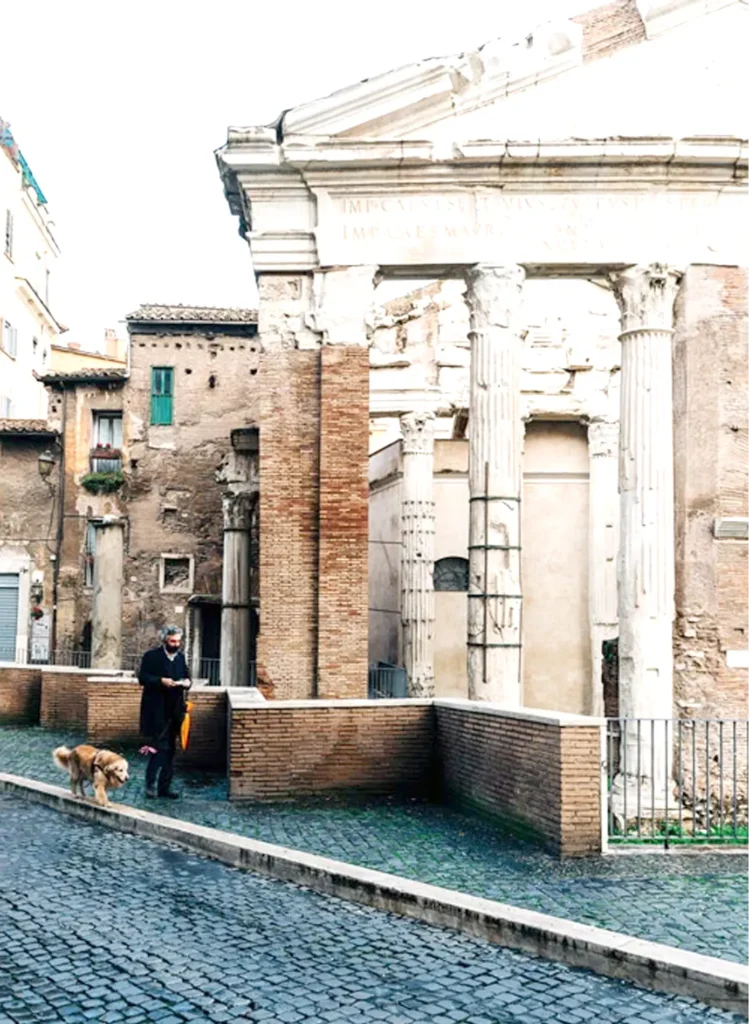
Some of its streets, buildings, and synagogues still bear witness to a long period in the city’s history.
Today, the ghetto houses a museum and heritage sites that document the life of Rome’s Jewish community,
one of the oldest in Europe, and welcomes thousands of visitors annually who come to learn about this historical era.
The Jewish ghetto in Rome represents a complex chapter in European history,
embodying a period when religious considerations were intertwined with social policies,
before conditions gradually changed with the development of concepts of citizenship and civil rights.
This ghetto continues to serve as a reminder of the importance of protecting religious freedoms,
rejecting discrimination, and preserving coexistence and respect for diversity within societies.