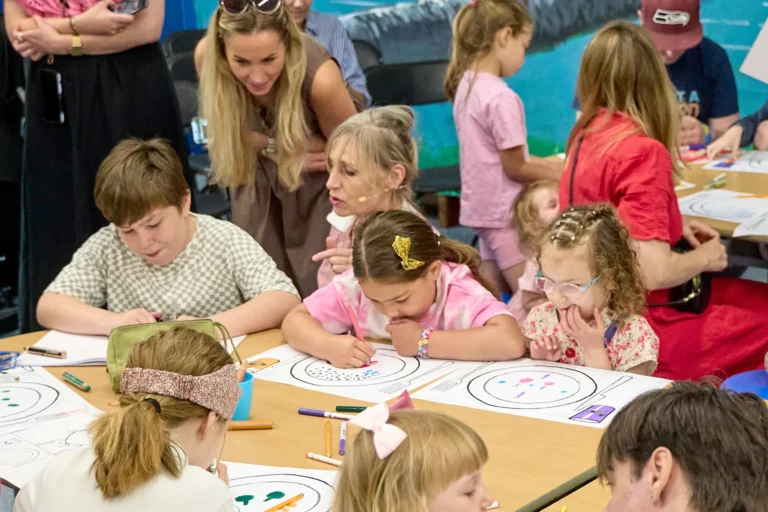
London, UK – One of Britain’s largest children’s literature festivals is facing widespread criticism following accusations of underrepresentation of writers and creators from ethnic and cultural minorities, sparking a new debate about diversity and inclusion within the British cultural sector.
The issue has become a focal point in literary and media circles, with several writers and publishers arguing that the festival’s announced programs do not reflect the true diversity of British society and fail to provide sufficient opportunities for new voices from different backgrounds.
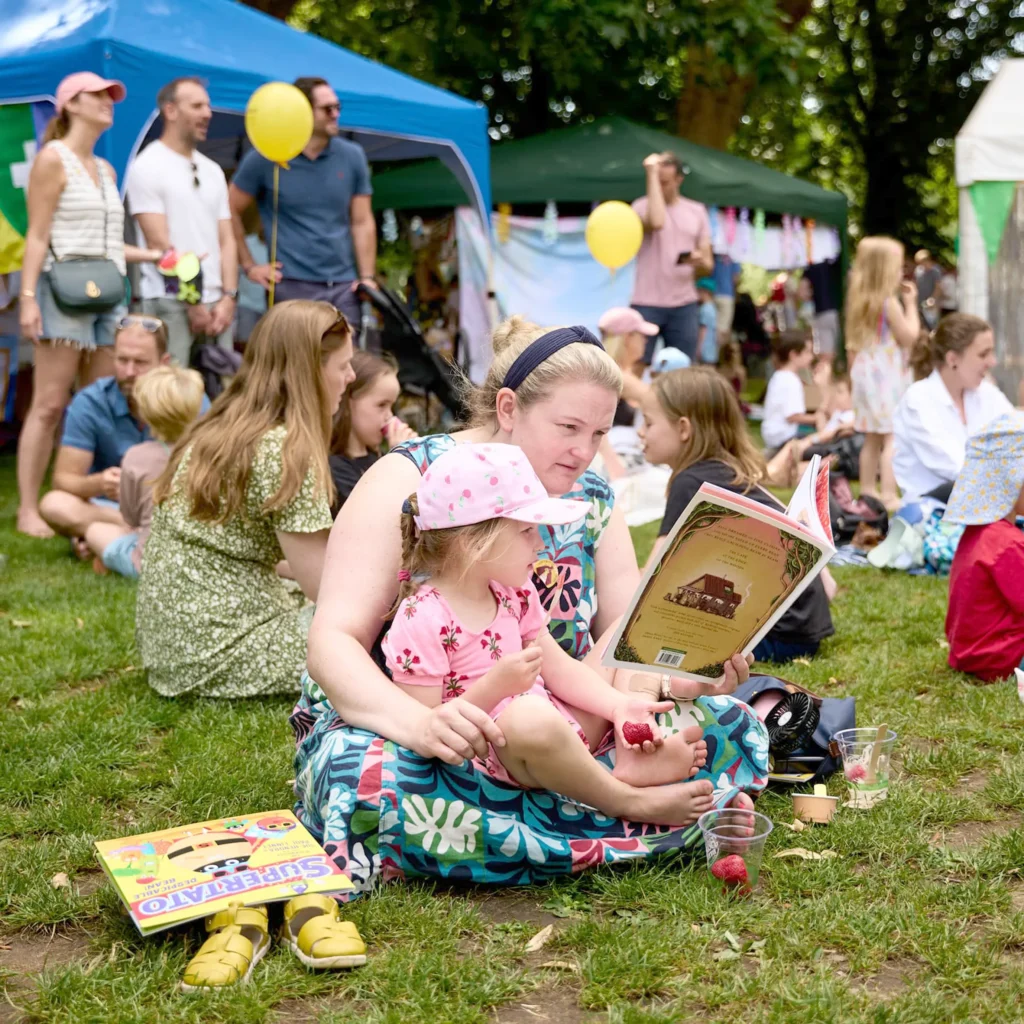
Widespread criticism of the program
The festival’s list of participants sparked angry reactions from a number of writers and those interested in children’s literature, who felt that the representation of creators from minority groups was lower than expected, despite their increasing numbers and contributions in recent years.
Critics emphasized that children’s literature should reflect the cultural diversity of society, allowing children to be exposed to stories, experiences, and characters from diverse backgrounds.
Voices within the cultural community called for a review of the mechanisms for selecting guests and speakers, and for clearer policies to ensure fair participation for different groups, thus promoting diversity and providing equal opportunities for emerging talent.
Publishers also demanded increased support for minority writers, not only in festivals, but also in publishing and marketing programs and literary awards.
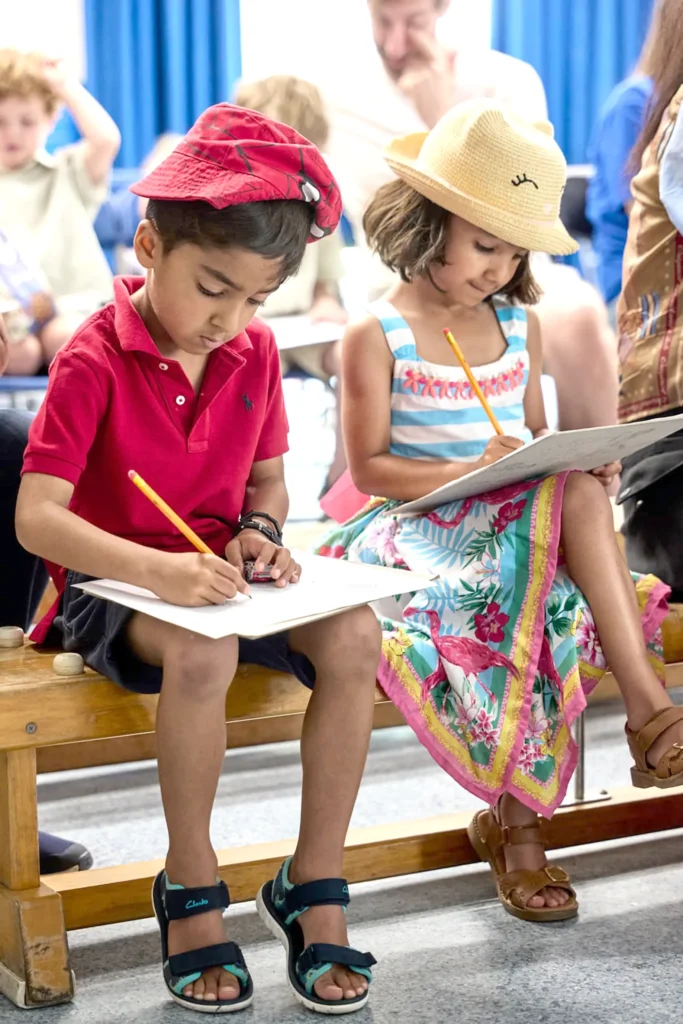
Festival management responds
In response, the festival management emphasized that it takes these criticisms seriously, noting that diversity is one of its main objectives and that it is constantly working to develop its programs to include more diverse voices and experiences.
It added that program selection is subject to numerous considerations, including the availability of authors, the nature of new publications, and the themes addressed, while stressing the ongoing dialogue with representatives of the literary sector.
This issue is not limited to a single festival; rather, it reflects a broader debate taking place in Britain and several Western countries regarding the representation of minorities in the fields of culture, arts, and media, amidst growing demands for cultural institutions to reflect the diversity within society.
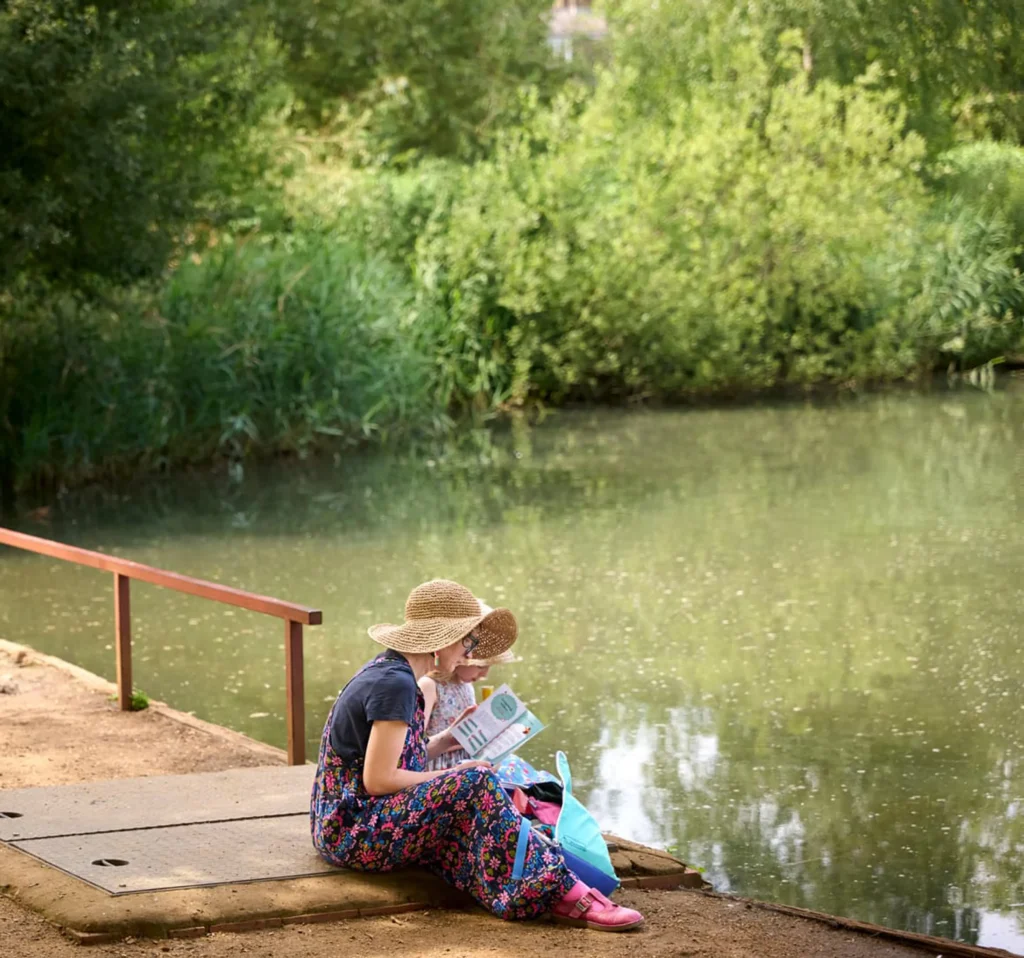
The importance of diversity in children’s literature
Children’s literature specialists believe that the diversity of characters, stories, and authors helps children understand different cultures, promotes values of tolerance and acceptance of others, and gives children from minority groups the opportunity to see their identity and culture represented in the books they read.
Education experts emphasize that literature plays a pivotal role in shaping the consciousness of new generations, and therefore, diversity has become a key issue discussed by cultural institutions in several countries.
While discussions continue regarding how to balance artistic quality with diversity in selection, observers believe that this crisis may prompt festival organizers and literary institutions to reconsider their policies in the coming years, ensuring broader participation of diverse creative voices and strengthening the concept of inclusion in the British cultural landscape.