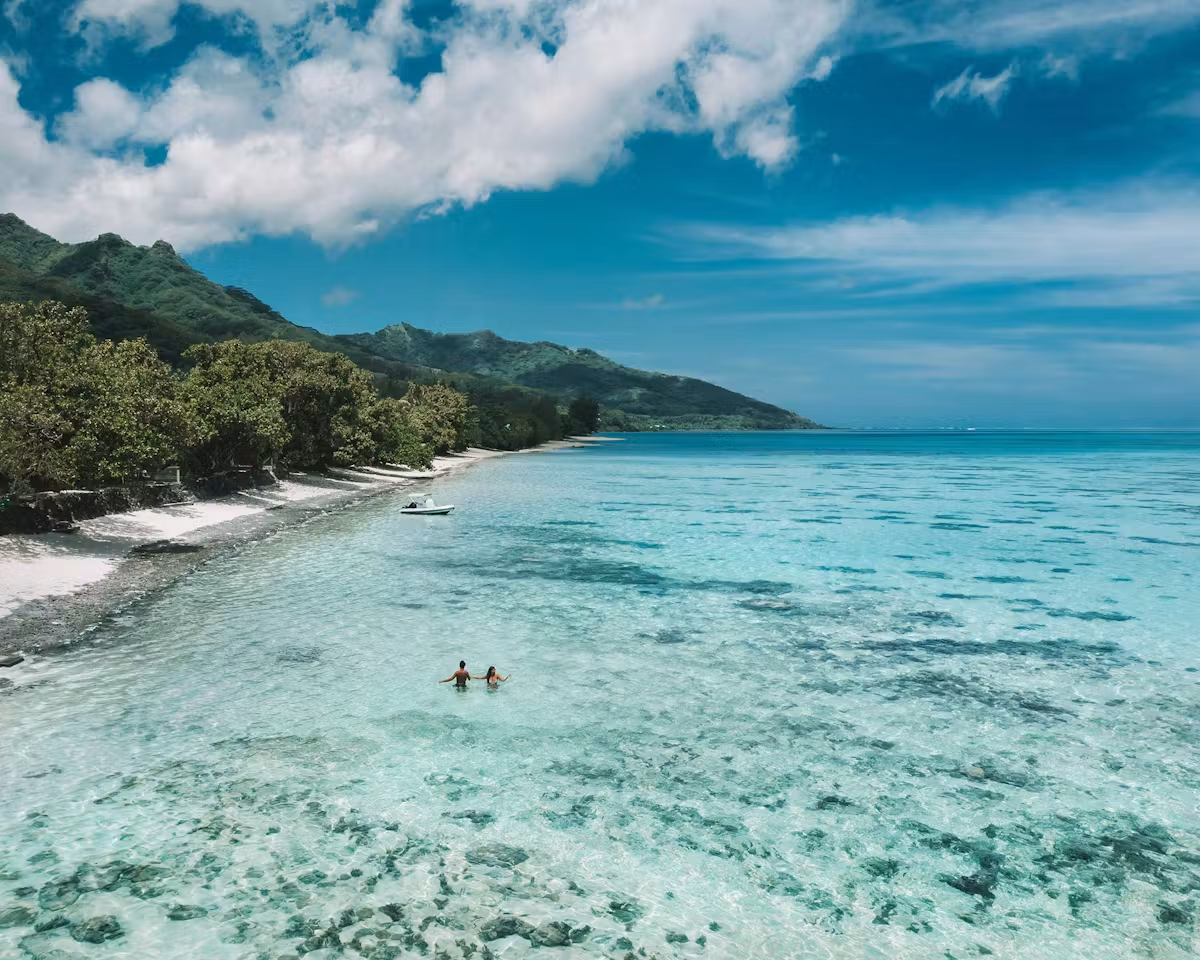
Papeete, Tahiti – Tahiti represents the largest island in French Polynesia today. The island boasts stunning tropical beaches and a unique local culture. However, this beautiful paradise conceals a long colonial historical struggle. France transformed the independent kingdom into a French overseas territory. European explorers first arrived on the island during the eighteenth century. British and French navigators rapidly recognized its crucial strategic location. The island gained immense importance due to its valuable natural resources.
French protectorate declaration and local indigenous resistance
Britain and France engaged in intense rivalry over regional influence. British missionaries strongly supported the local reigning Tahitian royal family. Meanwhile, France expanded its political and military presence aggressively. Paris exploited internal divisions to consolidate its military foothold. France officially declared a protectorate over Tahiti in 1842. Queen Pomare IV courageously rejected the French imperialist decision. Local islanders launched armed resistance against invading French military forces. The French military used superior force to establish total control.
Official annexation and sweeping cultural and social changes
France forced the royal family to surrender political sovereignty completely. France officially annexed Tahiti into its national territory in 1880. This annexation permanently ended the independent island kingdom era. Direct French colonial administration began governing island affairs immediately. French rule introduced major political, economic, and cultural changes. The French language spread alongside the native Tahitian language. Imperial authorities imposed French legal codes across the entire island. Traditional governance structures declined rapidly under centralized French rule.
French nuclear testing and environmental impact in the Pacific
France converted French Polynesia into a nuclear testing ground. The military conducted dozens of controversial nuclear tests nearby. These nuclear explosions triggered widespread protests among local indigenous residents. Environmental organizations warned against severe radiation health hazards constantly. Marine life and local communities suffered environmental consequences from testing. International groups demand comprehensive remediation for affected Pacific territories today.
Tahiti today: Self-governance, economy, and independence aspirations
Tahiti currently enjoys partial autonomy under direct French sovereignty. The island’s economy relies heavily on tourism and pearl farming. Local farmers cultivate world-famous black pearls across the archipelago. Some political movements continuously advocate for total national independence. Tahiti remains one of France’s most prominent overseas collectivities. The island combines rich Polynesian heritage with enduring French influence.