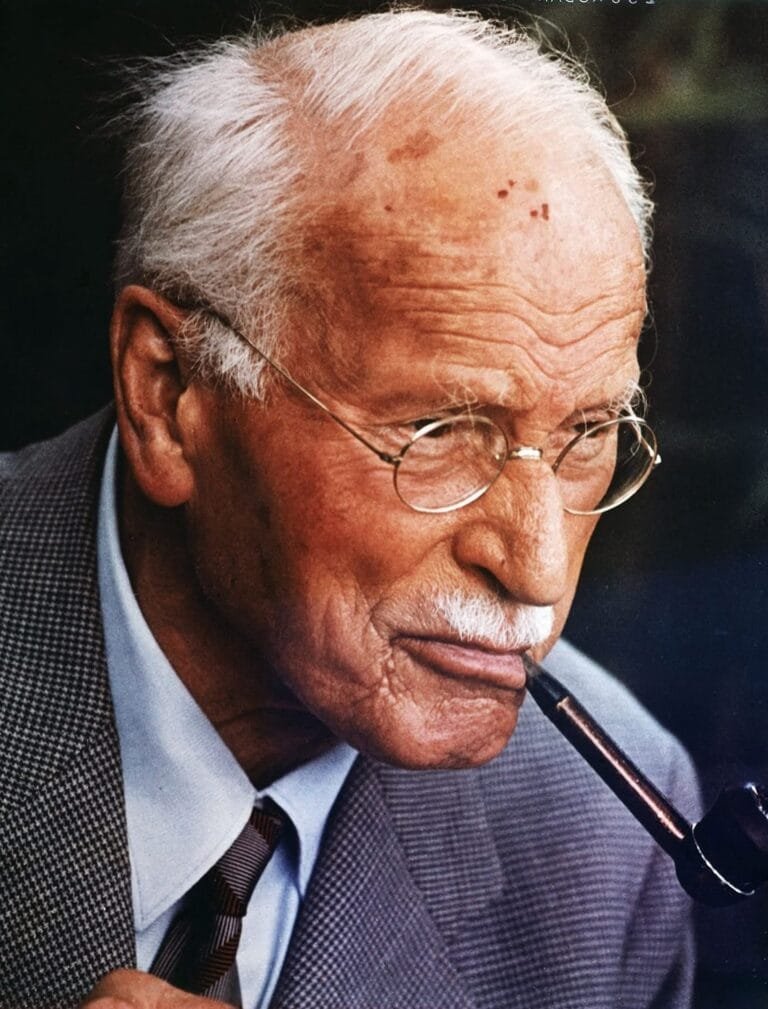
Cairo – Today marks the birthday anniversary of famous Swiss psychiatrist Carl Jung. Jung left a profound impact on modern psychology and philosophy. The Swiss thinker introduced fresh perspectives on the human mind. He opened new doors for interpreting dreams, symbols, and the unconscious. Jung’s influential ideas continue affecting psychotherapy, literature, and cinema today. Many artistic works draw inspiration from his core psychological concepts. We highlight seven major ideas defining Carl Jung’s intellectual legacy.
Collective Unconscious, Dreams, and Universal Archetypes
Jung proposed the concept of the collective unconscious across generations. Humans share a deep psychological reservoir carrying inherited cultural experiences. This concept explains why similar myths exist across distant cultures. Jung viewed dreams as meaningful messages from the unconscious mind. Dreams reveal inner conflicts and help individuals achieve emotional balance. He introduced universal archetypes like the Hero, Mother, and Wise Old Man. These ancient archetypes constantly influence human behavior and decision-making subconscious processes.
Confronting the Shadow and Navigating Self-Realization
Jung explained that every human possesses a hidden psychological side called the Shadow. The Shadow contains qualities that people try to hide or deny actively. Confronting this hidden side represents an essential step toward emotional maturity. Jung emphasized that life’s true goal involves achieving self-realization or individuation. Individuals discover their authentic personality through this continuous inner exploration process. People reach complete harmony among different aspects of their mind over time.
Introversion, Extraversion, and Symbolic Understanding
Jung defined introversion and extraversion scientifically for the first time. He explained that differences in human thinking and interaction are completely natural. Introversion and extraversion represent normal traits rather than mental disorders or flaws. Jung stressed that symbols carry deep meanings interpreting human behavior. He studied mythology, arts, and religions as primary windows into the psyche. These symbolic explorations offer unique keys to understanding human nature deeply.
An Enduring Intellectual Legacy Across Modern Fields
Carl Jung’s ideas expanded far beyond traditional psychiatric clinics. His legacy deeply influences modern literature, cinema, and human development fields. Generations of researchers and scholars continue studying Jung’s theories worldwide today. His work represents a profound attempt to understand the human psyche’s complexity. Carl Jung remains a prominent pillar in modern psychological history forever.