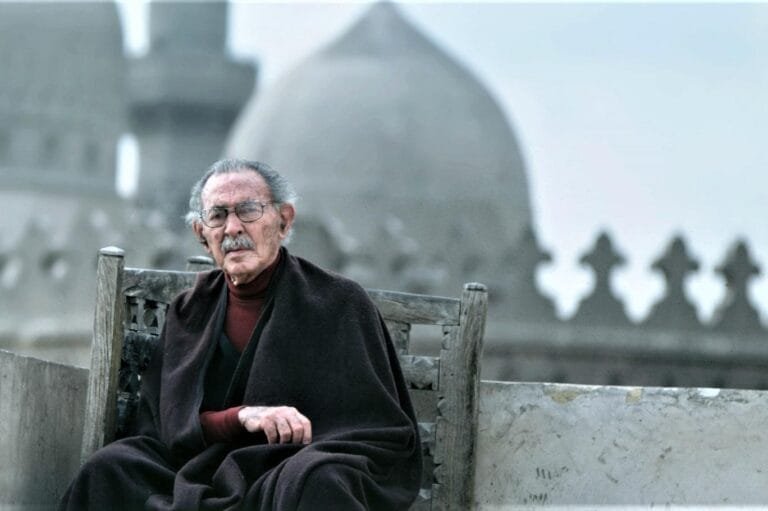
Cairo, Egypt – The Egyptian global architect Hassan Fathy is considered one of the world’s foremost pioneers of sustainable architecture. He was decades ahead of his time, advocating for the design of buildings that rely entirely on natural materials and harmonize with surrounding climatic conditions—ideas that have now become the ideal solutions for addressing the climate change crisis and reducing global energy consumption.
Philosophy of Building for the Future
Hassan Fathy gained international fame for his architectural philosophy, which focused on constructing low-cost housing for underprivileged communities, utilizing mud and local environmental materials instead of concrete and steel. His designs featured intelligent mechanisms that allow for natural airflow and light distribution, significantly reducing the need for industrial cooling and air conditioning systems.
Upbringing and Professional Journey
Hassan Fathy was born on March 23, 1900, in Alexandria, and graduated from the Faculty of Engineering at King Fuad I University (currently Cairo University). Fathy dedicated his life to developing the concept of “environmental architecture,” firmly believing that a building should be an integral part of nature, genuinely expressing the culture and identity of the local community.
New Gourna Village: An Architectural Icon
New Gourna Village in Luxor remains his most prominent project, which he designed in the 1940s to resettle the region’s inhabitants. Fathy used domes, vaults, and mud bricks to create a comfortable living environment amidst extreme temperatures, without relying on any modern or costly cooling methods.
“Architecture for the Poor” and Global Reference
Hassan Fathy authored his famous book, “Architecture for the Poor,” which has been translated into several international languages, to explain his vision of building humane, economic housing that respects both the environment and local identity. This book has become an indispensable reference for architects and researchers seeking to understand the principles of sustainable architecture worldwide.
Global Awards and Deserved Recognition
The Egyptian architect received prestigious international honors, including the Aga Khan Award for Architecture, and gained widespread appreciation from institutions concerned with heritage and the environment, which saw his experience as a pioneering model for balancing human needs with the preservation of natural resources for future generations.
A Living Legacy in the Face of Global Warming
Despite his passing on November 30, 1989, Hassan Fathy’s legacy remains strongly present, especially with the rising global interest in eco-friendly buildings and sustainable cities. His ideas, which started with simple homes for the poor, have transformed into an international inspiration for projects that seek to save the planet from the effects of climate change, confirming to the world that architecture is not merely about building walls, but a strategic means to protect both humanity and the environment simultaneously.