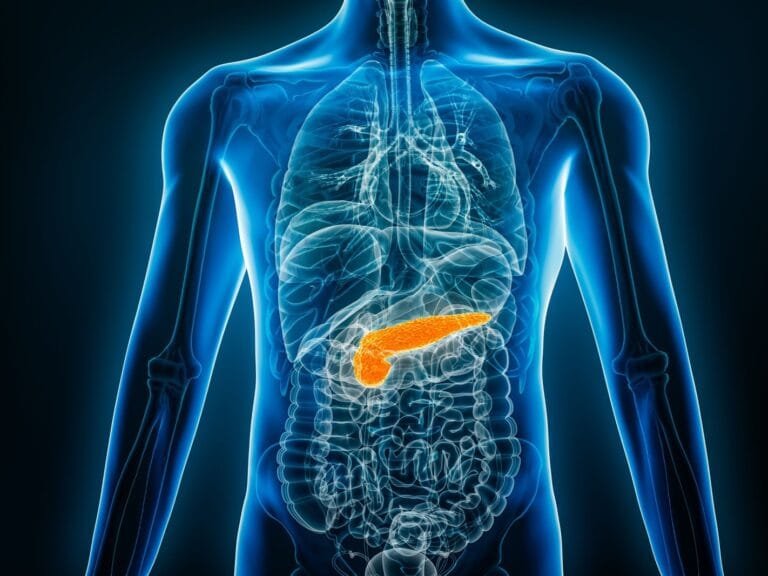
Washington, DC – Initial clinical trial results have revealed the success of an experimental vaccine in stimulating the immune system to attack one of the most common genetic factors associated with pancreatic cancer. This could pave the way for the development of more effective treatments for this type of cancer, which is among the deadliest and most difficult to treat.
The vaccine targets the KRAS mutation, which is present in a significant percentage of pancreatic cancer patients. It works by training the immune system to recognize and destroy cancer cells, thereby reducing the likelihood of recurrence after surgery or slowing its progression.
The trial, which included a number of patients who had undergone tumor removal, showed that the vaccine successfully elicited a strong immune response in a significant number of participants. This was associated with a decrease in cancer recurrence indicators during the follow-up period, which the researchers considered an encouraging sign.
The research team emphasized that the results are still preliminary and that the vaccine requires larger clinical trials to confirm its efficacy and safety before it can be approved as a treatment option. Nevertheless, they described the findings as representing a significant advance in efforts to develop innovative treatments for pancreatic cancer, which is characterized by low survival rates due to its late diagnosis in most cases.