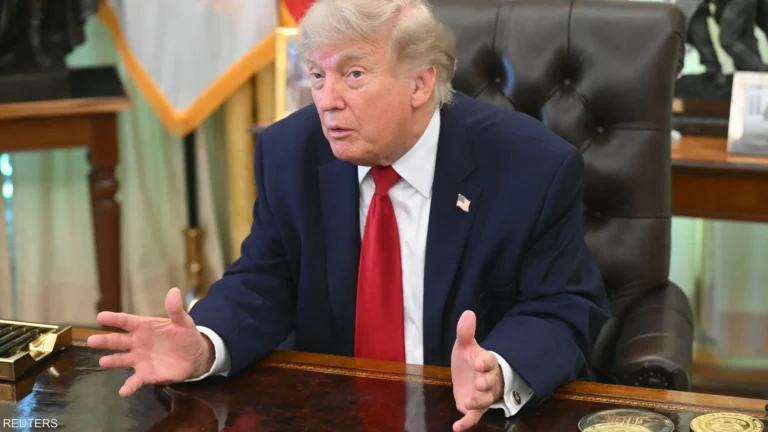
In a move reflecting a trend toward linking international files and intensifying economic pressure, U.S. President Donald Trump has called on Republican members of Congress to include Iran within the pending sanctions bill aimed at Russia. Trump considered this step a continuation of a policy supported by the late Senator Lindsey Graham. This call comes as the Senate continues to debate legislation aimed at tightening the economic noose on Moscow, opening the door for an expanded scope of American sanctions.
Trump Demands Expansion of Sanctions to Target Tehran
Trump clarified in a post on his “Truth Social” platform that Republicans must add Iran to the Russia sanctions bill, adding: “This is what Lindsey wanted to do, and it was going to happen. This is important.” These statements coincide with continuous military and political escalation in relations between the United States and Iran, amidst rapid U.S. movements to increase pressure on its adversaries across multiple fronts.
Tightened Sanctions Package and Broad Tariff Powers
The U.S. Senate is reintroducing a bill imposing strict sanctions on Russia, aiming to slash its revenues from oil and gas exports. The proposed draft grants the U.S. President broad powers to impose tariffs of up to 100% on countries or entities importing Russian oil and gas, focusing heavily on major importers rather than enforcing broad global sanctions, thereby giving the U.S. administration an immense economic leverage tool.
Is Washington Moving Toward Expanding the Scope of Sanctions? Observers believe Trump’s call reflects a growing desire within the U.S. administration and Congress to unify economic and political confrontation fronts against both Tehran and Moscow simultaneously. Incorporating Iran into the final legislative package—if approved—will unprecedentedly tighten the economic stranglehold on Tehran, especially amidst ongoing regional confrontations in the Middle East, presenting global powers with new complexities in managing international trade and energy sectors.