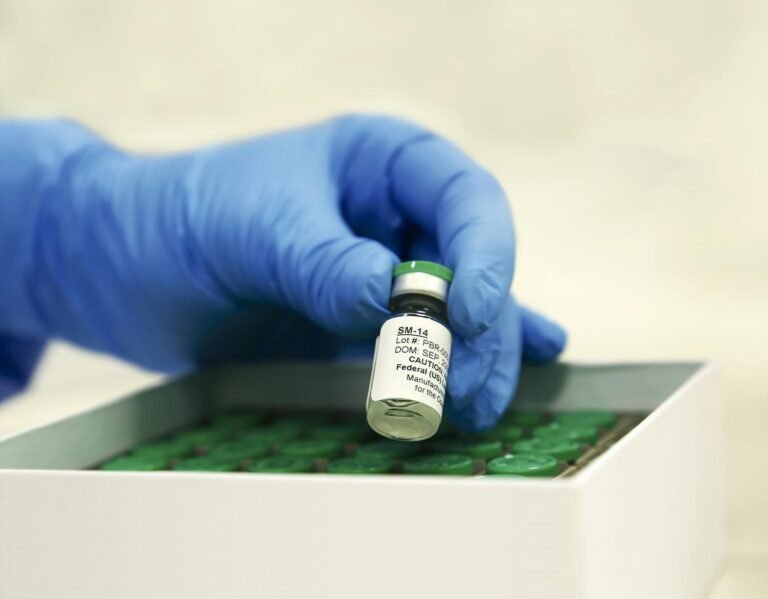
In a development that offers fresh hope for global public health, a team of researchers at a U.S. university has successfully developed an experimental vaccine that has shown promising initial results in boosting immunity against the parasite that causes Schistosomiasis. This scientific achievement paves the way for a potentially effective preventive measure against one of the most widespread parasitic diseases globally, bolstering international efforts to eliminate neglected tropical diseases.
Mechanism of Action and Preventive Goals
The new vaccine works by stimulating the human immune system to recognize and attack the Schistosomiasis parasite proactively before it can settle within the body and establish its infection. Researchers believe this defense mechanism lies in the vaccine’s ability to train the body to repel the parasitic invasion in its early stages. This approach could significantly reduce infection rates and decrease the severity of chronic health complications associated with the disease, particularly in regions where early diagnosis remains a challenge.
Health Challenges Posed by Schistosomiasis
Schistosomiasis is classified as a neglected tropical disease that affects millions annually. Infection occurs through contact with fresh water contaminated by parasites released from specific types of snails. If left undiagnosed and untreated, the infection progresses to a chronic state that can cause severe damage to vital organs such as the liver, kidneys, urinary tract, and intestines, placing a heavy health and economic burden on the most affected populations in Africa, Asia, and Latin America.
Path Toward Clinical Trials and Future Outlook
The encouraging preliminary results serve as a strong incentive for scientists to complete the necessary laboratory studies. The upcoming phase will focus on meticulously evaluating the vaccine’s effectiveness and safety before transitioning to broader clinical trials on humans. Scientists hope that in the future, this vaccine will become an additional pillar alongside existing public health programs, such as pharmacological treatments and water and sanitation improvement projects, contributing to a qualitative leap in comprehensive efforts to combat this parasitic disease.