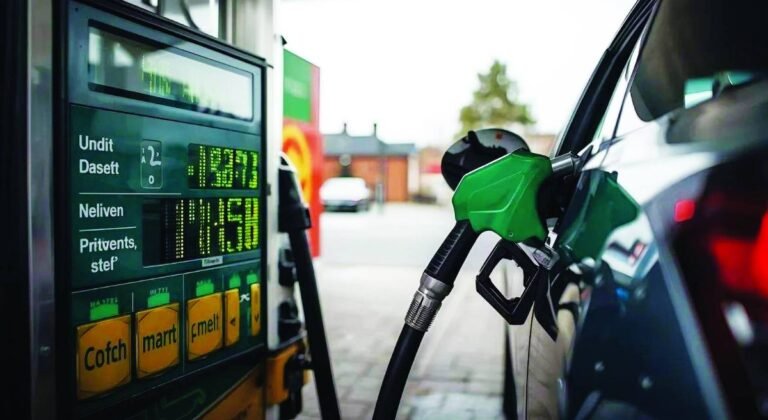
Berlin, Germany – Germany is preparing to end its two-month fuel discount on Tuesday, a move expected to push gasoline and diesel prices back up to higher levels. This ends the temporary period of relative peace that German drivers have enjoyed recently.
High tax returns
With the arrival of July, fuel prices will revert to their previous higher tax rates. Technical estimates indicate that fuel leaving storage facilities and refineries from the beginning of the month will bear an additional tax burden of 16.7 cents per liter. This figure includes VAT, resulting in an immediate increase in fuel costs across the country.
Price adjustment timing
In explaining how the price increase will be implemented, the German Association of Fuel Stations (BFT) pointed out that consumers may not immediately notice the change at midnight. Regulations stipulate that fuel prices cannot be raised at gas stations until noon. Therefore, gas stations across the country are expected to be on edge as Wednesday afternoon approaches. This is when companies will begin adjusting their price boards to reflect the return to the old tax system.
Background to the decision and financial cost
It is worth noting that the German government approved this exceptional measure as a swift response to the significant surge in global energy prices. This surge resulted primarily from the consequences of the Iran-Iraq War and its direct impact on oil markets. The ultimate goal of this step was to alleviate the financial burden on families and motorists.
Regarding the economic cost of this program, data from the German Ministry of Finance reveals that the state treasury incurred approximately €1.6 billion in financial burden as a result of this tax deduction. However, the ministry emphasizes that these figures remain estimates, as the final tally and actual cost of this exemption will only become clear after several months of review and financial auditing. This places the government under budgetary pressure at a time of increasing economic strain stemming from the volatility of global energy markets.