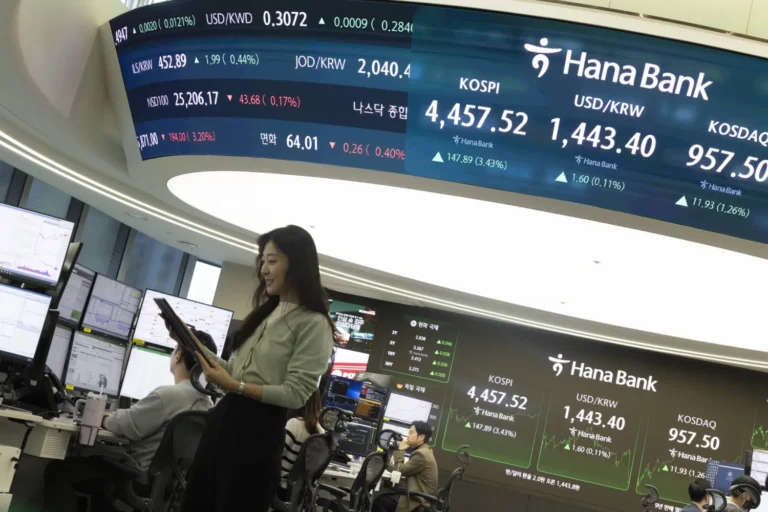
Asia – Asian financial markets saw mixed performance as oil prices fell, driven by renewed hopes for a diplomatic agreement between the United States and Iran. This decline occurred despite higher crude oil prices curbing investor risk appetite, according to AFP.
Diplomacy calms energy sector concerns
Energy markets took center stage in recent trading after US President Donald Trump indicated there were “serious negotiations” underway with Tehran. This was followed by the decision to call off previously planned military strikes.
As a result of the potential for a diplomatic solution, the price of oil fell significantly. However, this move offered only temporary and limited relief to investors. This came after weeks of sharp fluctuations stemming from geopolitical conflicts in the Middle East. In the futures market:
Brent crude oil benchmark: stabilized and remained hovering around the $109 per barrel level.
West Texas Intermediate (WTI) crude oil: recorded a decline to move at a level of $107 per barrel.
Stock market volatility and Japanese GDP
On the other hand, global stock markets were characterized by volatility and instability, as local economic data offset some global concerns:
Tokyo Stock Exchange: The Nikkei 225 opened lower. However, domestic economic resilience helped mitigate losses and concerns. Official data showed Japan’s GDP grew by 0.5% in the first quarter, exceeding market expectations of 0.4%.
Seoul Stock Exchange: The Kospi index took a heavy hit, falling by more than 4%. This was due to a sharp decline in technology stocks, which followed recent losses on Wall Street.
Other Asian markets: Shanghai, Taipei, and Jakarta indices all recorded varying declines under pressure from cautious investors. In contrast, Hong Kong, Sydney, and Wellington indices bucked the downward trend and rose, supported by selective buying.
Traders are closely watching for any developments in the US-Iranian negotiations. Financial and oil markets remain hostage to political developments and the sustainability of current production levels in global markets.