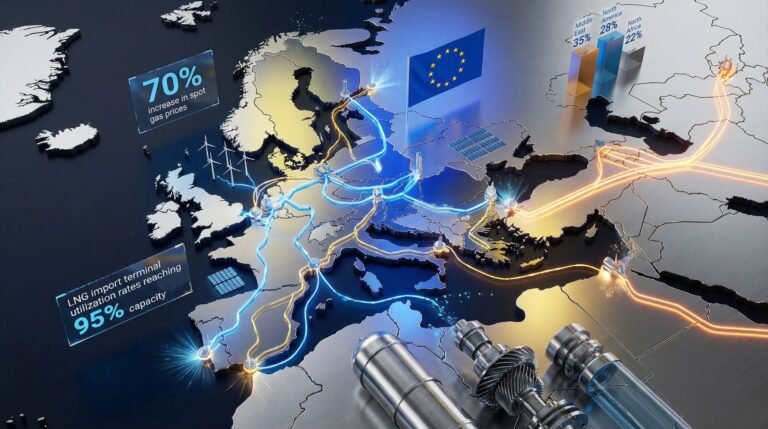
The European Commission faces mounting systemic pressure to secure regional markets’ petroleum product requirements following alarming technical briefs published by the International Energy Agency (IEA). The complex Europe energy security challenges dominate recent debates among bloc finance ministers due to the rapid erosion of strategic stockpiles across member states. Financial analysts warn that maintaining current consumption rates without neutralizing supply deficits will trigger an absolute shortage of refined derivatives like diesel and jet fuel within weeks, directly undermining the stability of transcontinental logistical networks.
Maritime Transit Disruptions and Rising Commercial Inventory Carrying Costs
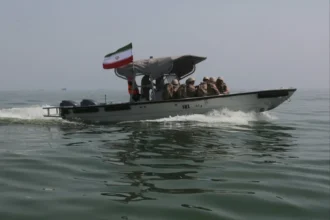
This structural deficit correlates with complex geopolitical developments that have obstructed oil tanker transits through historical sea lanes, forcing merchant fleets to utilize prolonged, cost-intensive alternative routes. Refineries inside the continent are facing compromised operational capacities due to a lack of light sweet crude, the primary feedstock for manufacturing industrial fuel. Concurrently, elevated interest rates have amplified the carrying costs of physical inventories for private firms, prompting them to trim commercial reserves and rely on volatile spot-market shipments.
Several European administrations are evaluating emergency contingency outlines engineered to ration fuel allocation in corporate sectors and non-essential commercial operations to prevent price shocks. Policymakers in Brussels are aggressively pursuing long-term procurement treaties with alternative exporters in West Africa and the United States to balance the contraction of traditional imports; however, these shifts mandate capital-intensive infrastructural retrofitting at receiving ports to accommodate foreign technical specifications.
Climate Neutrality Directives and Macroeconomic Stagnation Risks
Conversely, global commodity analysts argue that the ongoing inventory crisis exposes vulnerabilities in Europe’s rapid green transition strategy, which prioritized renewable energy investments at the expense of fossil fuel reliability. Industrial complexes in Germany and France confront potential production standstills if strict fuel quota policies materialize, intensifying the probability of Eurozone macroeconomic stagflation. Trade federations are demanding increased targeted investments into legacy oil and gas logistics alongside green energy mandates to insulate industrial supply lines.
Sovereign policy units maintain that preserving baseline petroleum reserves serves as a non-negotiable anchor for European national security and geopolitical autonomy amid escalating international friction. Resolving the current distribution strains requires close integration between regulatory bodies to facilitate internal energy trading and remove temporary transport tariffs between neighboring member states.