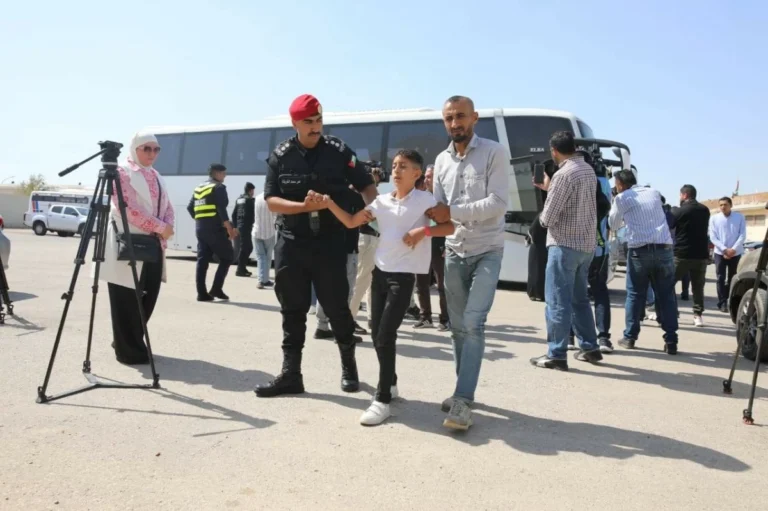
Jordanian authorities announced the execution of an emergency medical evacuation operation involving twenty children from the Gaza Strip to transfer them to institutions operating under the Royal Medical Services. These critical Jordan medical efforts for Gaza develop in response to the severe degradation of the healthcare infrastructure inside Palestinian territories, which has deprived individuals with complex chronic conditions of foundational care. The complex transport logistics materialized via direct cooperation with international agencies and United Nations humanitarian relief organs to secure a safe corridor for critical cases whose survival is directly threatened by acute medicine shortages.
Strategic Distribution Across Specialized Centers and Access to Complex Therapeutics
The evacuated cohort of pediatric patients suffers from severe ailments, including advanced oncological tumors, renal failure, and congenital anomalies requiring immediate surgical intervention. Upon arrival in Amman, the Jordanian Ministry of Health distributed the patients across specialized medical institutions, such as the King Hussein Cancer Center and the King Hussein Medical City. This initiative aims to supply comprehensive therapeutic protocols that cannot currently be administered inside Gaza due to the operational shutdown of most domestic hospitals, severe shortages of medical consumables, and depleted intensive care units.
This measure extends the continuous support strategy executed by the Jordanian government through the deployment of military field hospitals into Palestinian territories. These mobile installations deliver essential triage, primary care, and emergency surgeries to thousands of patients daily. Furthermore, tactical airdrops of pharmaceutical and nutritional aid conducted by the Royal Jordanian Air Force have partially offset the supply deficits encountered by refugee shelters and isolated clinical centers.
Global Demands to Expand Medical Evacuation Corridors for Patients and the Elderly
Conversely, reports published by the World Health Organization emphasize that local clinical demands vastly exceed available logistical resources, leaving thousands of chronic patients on high-risk waiting lists. Jordanian diplomatic channels are intensifying pressure on the international community to activate permanent, sustainable humanitarian corridors that guarantee the unrestricted exit of injured civilians, children, and elderly individuals for external treatment. Relief organizations warn that the sustained blockade of medical imports will inevitably accelerate mortality rates among individuals with chronic conditions.
Medical executives in Amman confirm the ongoing readiness of Jordanian clinical infrastructures to admit additional waves of injured civilians during the upcoming phases. Sustaining this humanitarian commitment requires increased international financial backing for host medical institutions to guarantee the continuous delivery of high-quality clinical operations. Monitoring the structural developments of these Jordan medical efforts for Gaza remains a primary portfolio for human rights monitoring groups and global media outlets assessing the current humanitarian landscape in the Middle East.