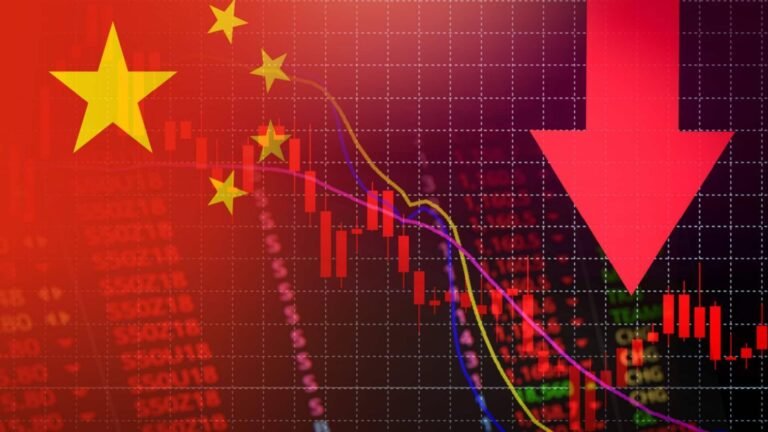
as severe international conditions surrounding contemporary financial and trade markets. The core analysis of the China economic slowdown repercussions emphasizes the escalating fragility within the global growth framework, coinciding with diminished industrial output across major economic powers. As reported by the Financial Times, Chinese policymakers expressed deep concern over mounting financial uncertainty, which threatens to trigger prolonged stagflation that directly compromises transcontinental commodity trading.
Supply Chain Crises and Energy Price Volatility across Emerging Economies
International trade workflows confront interconnected obstacles resulting from protectionist measures enforced by specific Western nations, alongside unstable fluctuations in crude oil and liquefied natural gas (LNG) prices. The Chinese Ministry of Commerce maintains that these pressures have systematically decelerated foreign direct investment (FDI) inflows into emerging economies. Global supply chains remain negatively impacted by geopolitical frictions across vital maritime channels, which inflates ocean freight expenses and forces multinational corporations to re-evaluate long-term logistical blueprints.
The Chinese administration is attempting to stimulate domestic consumer demand by injecting liquidity into real estate development and high-tech manufacturing to reduce reliance on external markets. Data from the People’s Bank of China indicates that resolving current structural imbalances demands tight monetary coordination among global central banks to avoid aggressive interest rate hikes, a policy that previously accelerated sovereign debt crises within developing nations.
Demands for Rebalancing the Trade System and Combating Isolationist Policies
Conversely, International Monetary Fund (IMF) analysts urge Beijing to implement comprehensive economic reforms aimed at enhancing financial transparency and stabilizing the local currency (Yuan). International calls are intensifying to update World Trade Organization (WTO) regulations to successfully curb tariff wars and preserve intellectual property rights equitably. Financial authorities warn that persistent isolationist trends will fragment the global trading matrix, dividing it into competing technological blocs.
Beijing emphasizes that its internal financial stability serves as a crucial anchor for the entire international framework, given its status as the primary manufacturer of intermediary industrial components. The current geopolitical climate mandates the launch of collaborative diplomatic and economic initiatives to revive free trade agreements and ease cargo transits without political interference.