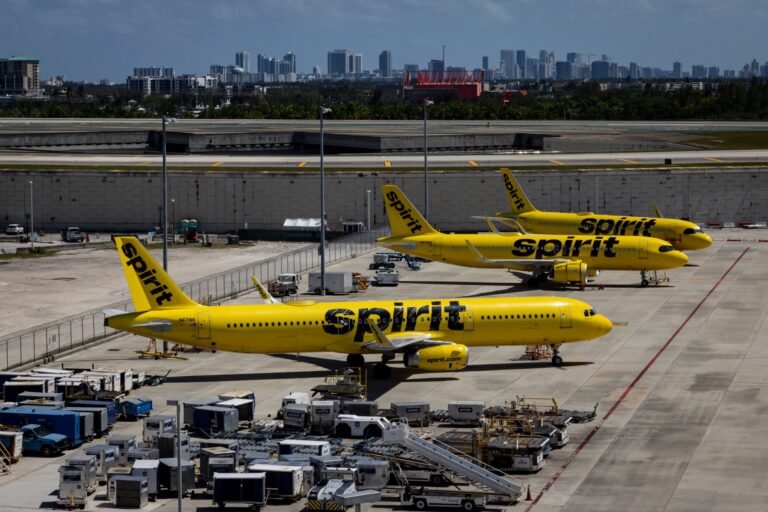
Washington, DC – In a dramatic development highlighting the impact of regional conflicts on the global economy, the US-based low-cost carrier Spirit Airlines announced it has ceased all operations. This makes it the first major casualty in the aviation sector directly linked to the fallout from the Iran-Iraq War.
Reuters reported that the move came after the bankrupt company failed to secure the necessary support from its creditors. This failure is linked to a bailout plan proposed by the US government.
The end of the low-cost aviation era
The liquidation of Spirit Airlines is an unprecedented event in the industry, as no other US airline of this size has been liquidated in two decades.
At one time, the company controlled approximately 5% of all flights in the United States, making it a pivotal player in air travel.
Severe impact on ticket prices
Spirit Airlines has long been known for its role in maintaining market equilibrium; its low-cost strategy forced major airlines to lower their ticket prices in markets where it directly competed. With its departure, there is growing concern among travelers about the potential for significant price hikes in airfares due to the absence of this fierce competitor.
The link between the closure and the Iranian war
This collapse is the result of a series of economic crises exacerbated by the Iran-Iraq War, which directly impacted fuel costs and international air routes. This situation placed immense financial pressure on companies already suffering from fragile balance sheets.
Despite government intervention, the creditors’ refusal to support the bailout plan proved to be the final nail in the coffin for the company.
The closure of Spirit Airlines serves as a warning sign for the future of the low-cost aviation sector amid ongoing geopolitical tensions. Traditional business models are no longer able to withstand the severe economic shocks caused by major armed conflicts.