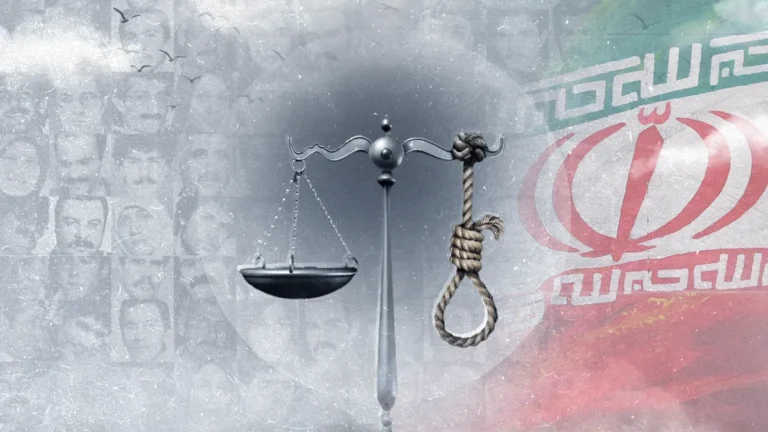
Tehran, Iran – A recent human rights report reveals that Iranian authorities continue to carry out executions at an alarming rate, with at least 26 prisoners executed in various Iranian prisons during April 2026. While this figure represents a 78.5% decrease compared to the same month last year (April 2025), which saw 122 prisoners executed, the report highlights the disproportionate focus on political prisoners.
Political executions: Targeting protest detainees
According to statistics from the Hengaw Human Rights Organization, political prisoners constituted the largest group of those executed, with 14 prisoners, representing 54% of the total cases. The charges against them varied, including “warfare,” membership in the People’s Mujahedin Organization of Iran (PMOI/MEK), and espionage for Israel.
The list included the names of young people arrested in connection with the January protests, including:
Amir Hossein Hatami (19 years old), Abolhassan Montazer and Vahid Bani Amrian, who were executed in Qezel Hesar prison in Karaj on April 4.
Mohammed Amin Biglari, Shahin Wahibrist Kuluri (April 5), and Ali Fahim (April 6) are in the same prison.
The sentence was also carried out against Mehdi Farid and Sultan Ali Shirzadi Fakhr on charges of spying for Israel.
The month ended with the execution of the young Lori Sasan Azadvar (21 years old) in Isfahan Central Prison on April 30.
Legal violations and secret executions
The report indicated that only 58% of these cases (15) were announced through official sources or websites affiliated with the judiciary. Meanwhile, 14 executions were carried out secretly and without the knowledge of the families, depriving them of their right to a final farewell. Among the victims was Hanifeh Avandi (24 years old), a victim of child marriage, who was executed in Tabriz Central Prison for the murder of her husband.
Ethnic and geographic distribution
The executions were ethnically distributed, including 12 Persian prisoners (46%), 7 Turks (27%), as well as prisoners from Kurdish, Lor, and Baluchi backgrounds. Geographically, Alborz province recorded the highest number of executions with 11, followed by East Azerbaijan and Isfahan provinces. These figures confirm that the Iranian judiciary continues to use the death penalty as a tool of political pressure, particularly against participants in popular movements, amidst an official blackout on more than half of the executions.