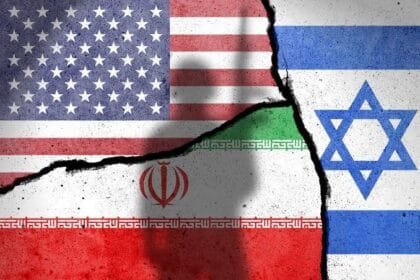
Washington, DC – In a development reflecting the peak of military escalation in the Middle East in 2026, US Central Command (CENTCOM) announced that its forces successfully intercepted and prevented 45 commercial vessels from breaching the naval blockade imposed on Iranian ports.
This move solidifies a new geopolitical reality that began last April, following the complete collapse of the diplomatic process that had been hosted by the Pakistani capital, Islamabad.
Statement of strictness and compliance
In a brief statement posted on its official Twitter account, Central Command confirmed that its operations in international waters are aimed at ensuring full compliance with the US-imposed sanctions on Tehran. The statement read: “US forces continue to patrol international waters to enforce the naval blockade; to date, 45 commercial vessels have been directed to return to port or change course to ensure compliance.”
Field reports indicate that these ships, flying various international flags, were forced to alter their course in strategic areas including the Gulf of Oman and the entrances to the Arabian Gulf. This occurred after they received direct warnings from US naval vessels stationed in the region.
The repercussions of the collapse of the Islamabad talks
This blockade, which officially began on April 13, 2016, was not merely a traditional punitive measure, but a direct consequence of the failure of the Islamabad talks to reach an agreement on the nuclear issue and regional conflicts.
According to observers, Washington seeks, through this maritime blockade, to further cripple Iran’s oil exports. It also aims to present the regime in Tehran with two options: either return to the negotiating table under new conditions, or face total economic collapse.
Camouflage Warfare and the Hidden Fleet
Despite CENTCOM’s claims of success, intelligence reports indicate ongoing Iranian attempts to circumvent the blockade using what is known as a “stealth fleet,” by disabling Automatic Identification System (AIS) tracking systems and transferring cargo from ship to ship at sea.
However, the US Department of Defense (Pentagon) has emphasized that advanced surveillance technologies and the extensive deployment of drones and naval forces have made such infiltration virtually impossible. Furthermore, maritime trade destined for Iran has been brought to a near standstill. The global economy is also on tenterhooks, anticipating potential repercussions in the Strait of Hormuz.