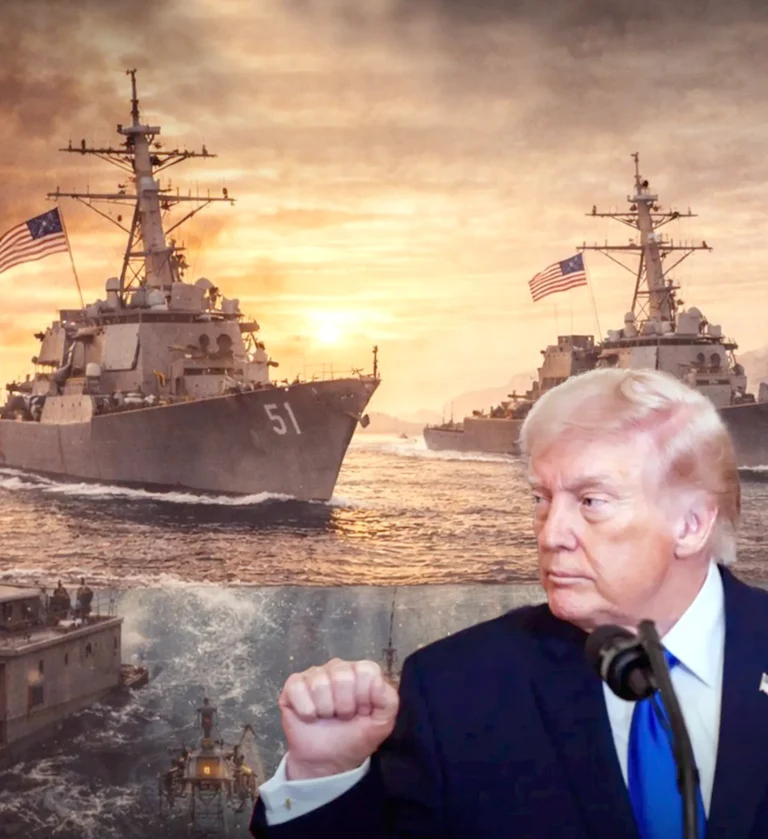
Washington, DC – US President Donald Trump announced the implementation of a naval blockade on Iranian ports, effective 10:00 AM US time. This latest escalation is part of the maximum pressure campaign against Tehran.
In official statements, Trump explained that the decision aims to cripple Iran’s economic capabilities. It will also prevent the flow of resources that could be used to support its military and nuclear activities. Furthermore, he affirmed that Washington will not allow Tehran to continue what he described as its “destabilizing behavior” in the region.
Imposing controls on ship traffic
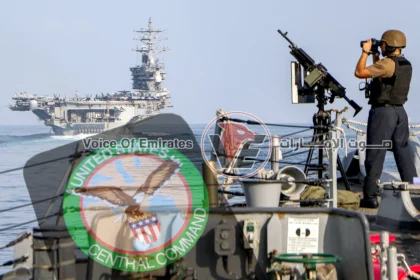
Trump indicated that the US Navy had already begun taking up positions to implement the decision, in coordination with international allies. Therefore, it will impose strict controls on the movement of ships heading to or departing from Iranian ports.
For their part, political circles considered this move a qualitative shift in the confrontation between Washington and Tehran. They added that the situation is approaching scenarios of direct confrontation. This is particularly evident given the sensitivity of vital waterways such as the Strait of Hormuz.
Turmoil in energy markets
In contrast, no detailed official response has yet been issued by the Iranian side. However, observers believe Tehran will resort to multiple options in response. It could employ diplomatic tools or escalate indirect military action in areas of regional influence.
Experts have warned that Trump’s imposition of a naval blockade could lead to widespread disruption in global energy markets and a surge in oil prices. Furthermore, there is a threat to supply chains, which could directly impact the global economy.
These developments come amid escalating tensions in the region, with increasing international warnings of a slide into open confrontation. Such a clash could occur if the escalation continues without clear channels for de-escalation.