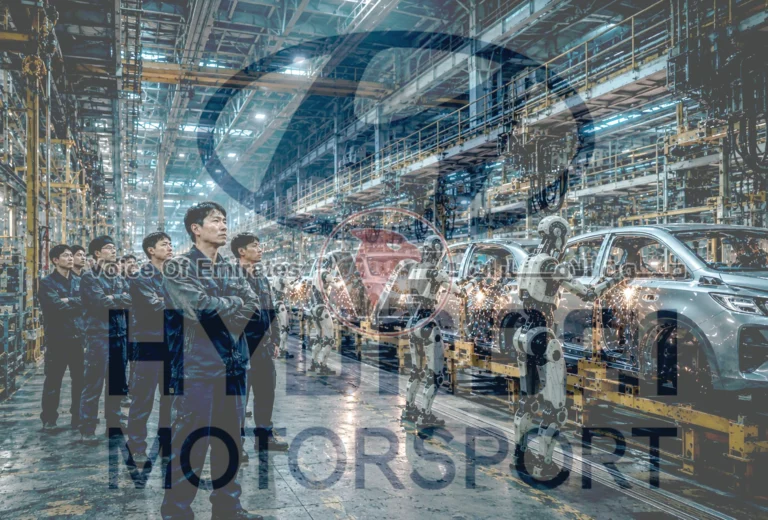
Washington, DC – A global automaker has seen a walkout by workers protesting management’s plans to expand the use of humanoid robots on its production lines.
This comes amid growing concerns about the impact of these technologies on jobs
and the future of employment in the automotive industry.
Employing humanoid robots
The protesters raised banners demanding clear guarantees for worker protection.
They emphasized that the introduction of robots into factories should not come
at the expense of employees or lead to workforce reductions.
They also called for the involvement of unions in any plans related to automation and digital transformation.
The company aims to employ humanoid robots to perform some repetitive and hazardous tasks within the factories.
This helps increase production efficiency, reduce errors, and improve safety levels,
and comes within the context of a growing global trend toward
relying on artificial intelligence and automation technologies.
In contrast, workers’ representatives believe that technological development must be accompanied
by a clear program for retraining and developing employees’ new skills.
They stressed the need for guarantees that no workers will be laid off
as a result of the introduction of robotic systems.
Investing in artificial intelligence and robotics technologies
This strike comes at a time when the automotive industry is undergoing a major shift towards smart factories.
Companies are investing billions of dollars in artificial intelligence
and robotics technologies to boost productivity and reduce costs.
This is sparking widespread debate about the future of traditional jobs.
Experts believe that the proliferation of humanoid robots in factories
will fundamentally change the nature of work in the coming years.
However, the success of this transformation will depend on striking a balance
between technological advancement and safeguarding workers’ rights.
This can be achieved through continuous training and creating new opportunities
that align with the demands of modern industry.