Tehran, Iran – In a dramatic development that could lead to a major easing of tensions in the Middle East, the Iranian Foreign Ministry announced on Friday the full reopening of the Strait of Hormuz to all commercial vessels.
This move was immediately welcomed by US President Donald Trump and triggered a historic and rapid collapse in global oil prices.
Trump welcomes “open Hormuz”
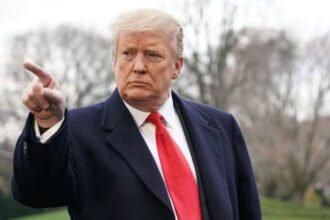
US President Donald Trump quickly commented on the decision via Truth Social, asserting that Iran had declared the Strait of Hormuz open and ready for international navigation.
This welcome is seen as a positive sign that reinforces the temporary ceasefire agreement in place between Washington and Tehran. This agreement began on April 8th for a period of two weeks.
Araghchi: Coordination is ongoing with the Ports Organization
For his part, Iranian Foreign Minister Abbas Araqchi clarified in a post on the X platform that the Strait of Hormuz is now open to all commercial vessels for the remainder of the ceasefire period.
He confirmed that passage will be via coordinated routes designated by the Iranian Ports and Maritime Organization. This announcement coincided with the implementation of a 10-day ceasefire in Lebanon, reflecting the interconnectedness of regional issues.
Earthquake in energy markets
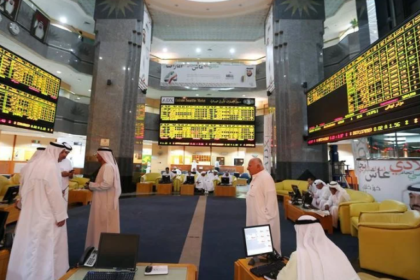
The oil markets were not immune to this news; as soon as the decision was announced, prices plummeted by more than 8% within minutes. The decline continued afterward.
Brent crude: Futures for June delivery fell 10.42% to $89.03 per barrel.
US crude (WTI): recorded a larger decline of 11.11% to reach $84.17 per barrel for May delivery.
This sharp decline is driven by the disappearance of the “geopolitical risk premium” that had been dominating markets due to fears of a Strait of Hormuz closure. The strait is the most important artery for global oil transport. Analysts believe that reopening the strait represents a temporary diplomatic and economic success, pending the outcome of negotiations to solidify the ceasefire in the coming days.